This book display complements the Journal of Law and Social Policy’s symposium. The Unseen: Law, Invisibility, and the Margins of Social Policy takes place on Thursday, March 5, 2026 and focuses on three themes: immigration, housing, and reproductive rights.
All books are on display outside the library and are available to be checked out.
Immigration
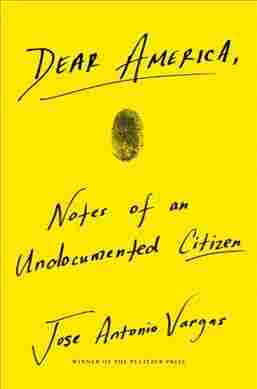
Dear America is the memoir of Pulitzer Prize-winning journalist Jose Antonio Vargas. As he describes it, “This is not a book about the politics of immigration. This book–at its core–is not about immigration at all. This book is about homelessness, not in a traditional sense, but in the unsettled, unmoored psychological state that undocumented immigrants like myself find ourselves in. This book is about lying and being forced to lie to get by; about passing as an American and as a contributing citizen; about families, keeping them together, and having to make new ones when you can’t. This book is about constantly hiding from the government and, in the process, hiding from ourselves. This book is about what it means to not have a home.”
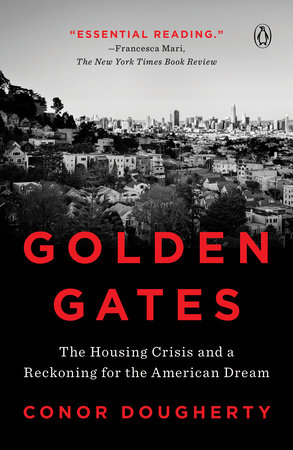
Golden Gates by Conor Dougherty addresses the housing crisis: “Cities are the engines of economic progress and the places that give birth to ideas that shape our lives. For generations, arriving in a major city was the first step toward the American Dream. But as housing costs skyrocket in job-rich cities across the nation, that door to opportunity is swinging shut.” (from the publisher)
Scarlet A by Katie Watson “combines storytelling and statistics to bring the story of ordinary abortion out of the shadows, painting a rich, rarely seen picture of how patients and doctors currently think and act, and ultimately inviting readers to tell their own stories and draw their own conclusions.” (from the publisher)
In honor of Black History Month, the library has compiled a display of romance novels by Black authors. These books are on display outside the library and available to be checked out.
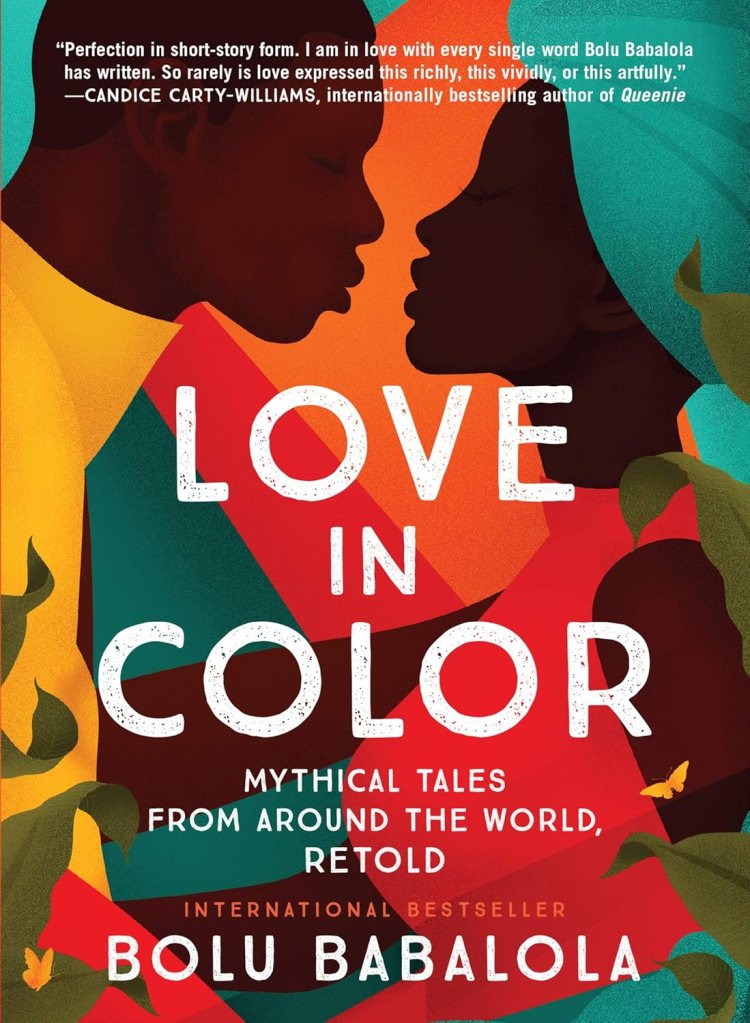
In her debut collection, internationally acclaimed writer Bolu Babalola retells the most beautiful love stories from history and mythology with incredible new detail and vivacity. Focusing on the magical folktales of West Africa, Babalola also reimagines Greek myths, ancient legends from the Middle East, and stories from long-erased places.With an eye towards decolonizing tropes inherent in our favorite tales of love, Babalola has created a captivating multicultural romance anthology that traverses across perspectives, continents, and genres. (from the publisher)
Of course, romance has its own subgenres:
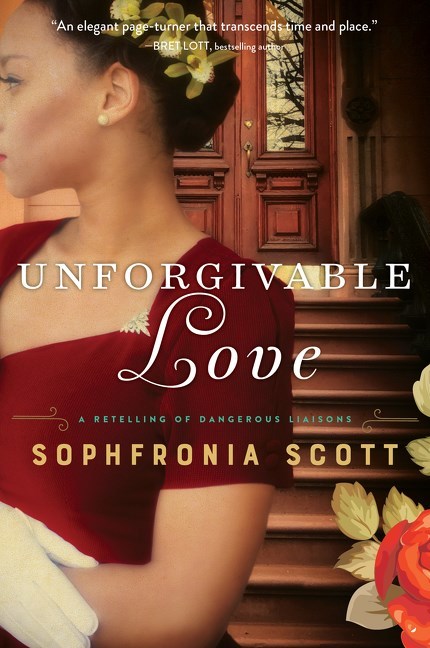
Historical romance? Try Unforgivable Love, a re-telling of Dangerous Liaisons set in 1940s Harlem.
This reading list is intended to complement the MLK Commemoration programming hosted by the Office of Community Engagement and Access and Feinberg School of Medicine. Starting in January, books will be displayed in the case to the right of the library entrance and are available to be checked out.
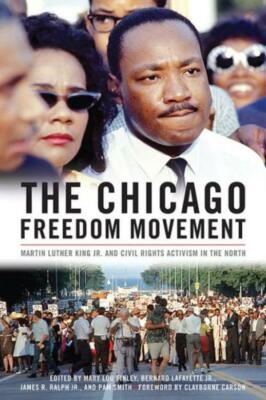
The Chicago Freedom Movement brought the Southern Christian Leadership Conference (SCLC), led by King, together with Chicago activists in an attempt to bring nonviolent civil rights organizing strategies out of the South. Chicago activists were already fighting for fair housing, economic empowerment, equity in Chicago Public Schools, and an end to the Vietnam War before Dr. King arrived in Chicago in 1966. The Chicago Freedom Movement begins by telling the story of the Chicago Freedom Movement through voices of Chicago-based activists before discussing the long-term consequences of the movement, including the Fair Housing Act.
If you want to learn more about King’s time in Chicago, the Chicago Tribune produced a short video documentary:
The video discusses the march in Marquette Park, which was attacked by white supremacists. Today, there is a “Living Memorial” in Marquette Park commemorating the march.
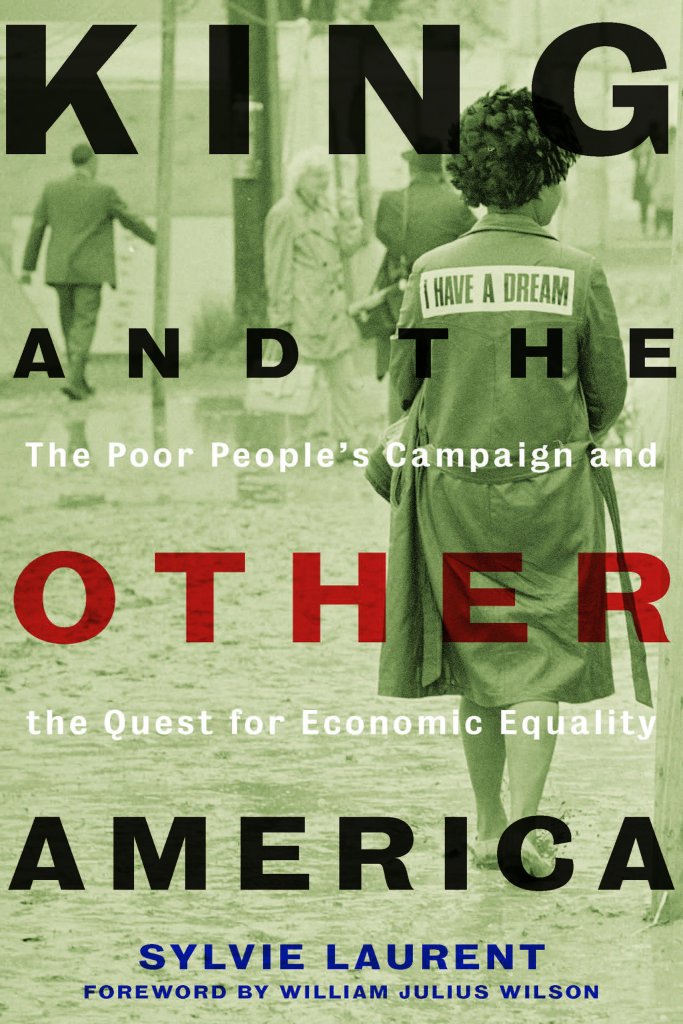
King and the Other America focuses on the Poor People’s Campaign, the last campaign King worked on before his assassination. The book gives the larger context of King’s economic justice activism and the long-term effects of the Poor People’s Campaign such as interracial coalition-building.
You can learn more about the changes that King fought for in Chicago and through the Poor People’s Campaign. The Chicago Freedom Movement led to the passing of the Fair Housing Act, whihc you can read about in The Fight for Fair Housing. If you’re interested in guaranteed income, Eve Ewing’s podcast Guaranteed highlights guaranteed income recipients in the Chicago area. And, the Chicago History Museum currently has an exhibit, “Designing for Change: Chicago Protest Art of the 1960s–70s” that features art from the Chicago Freedom Movement and other civil rights struggles in Chicago.
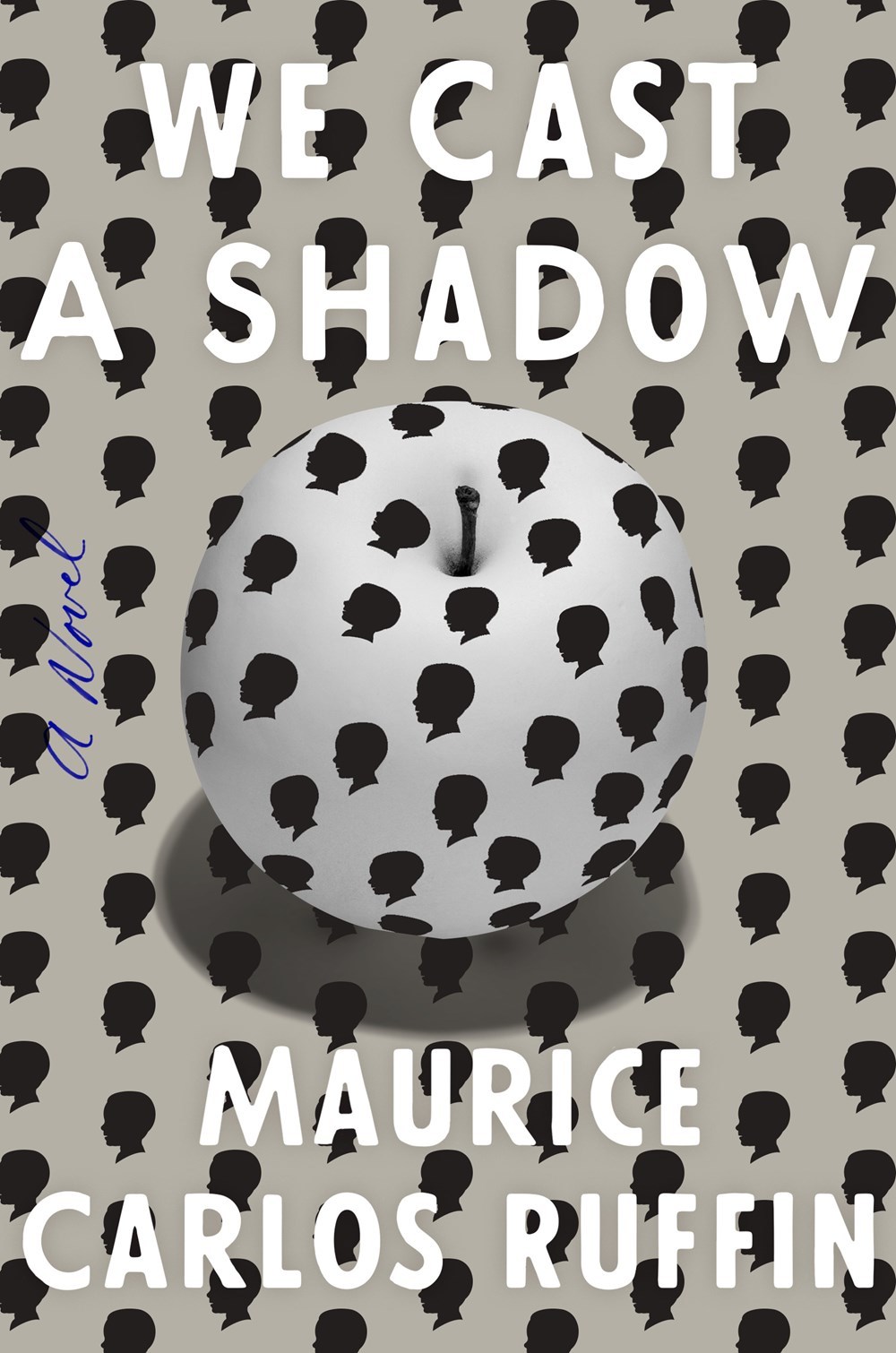
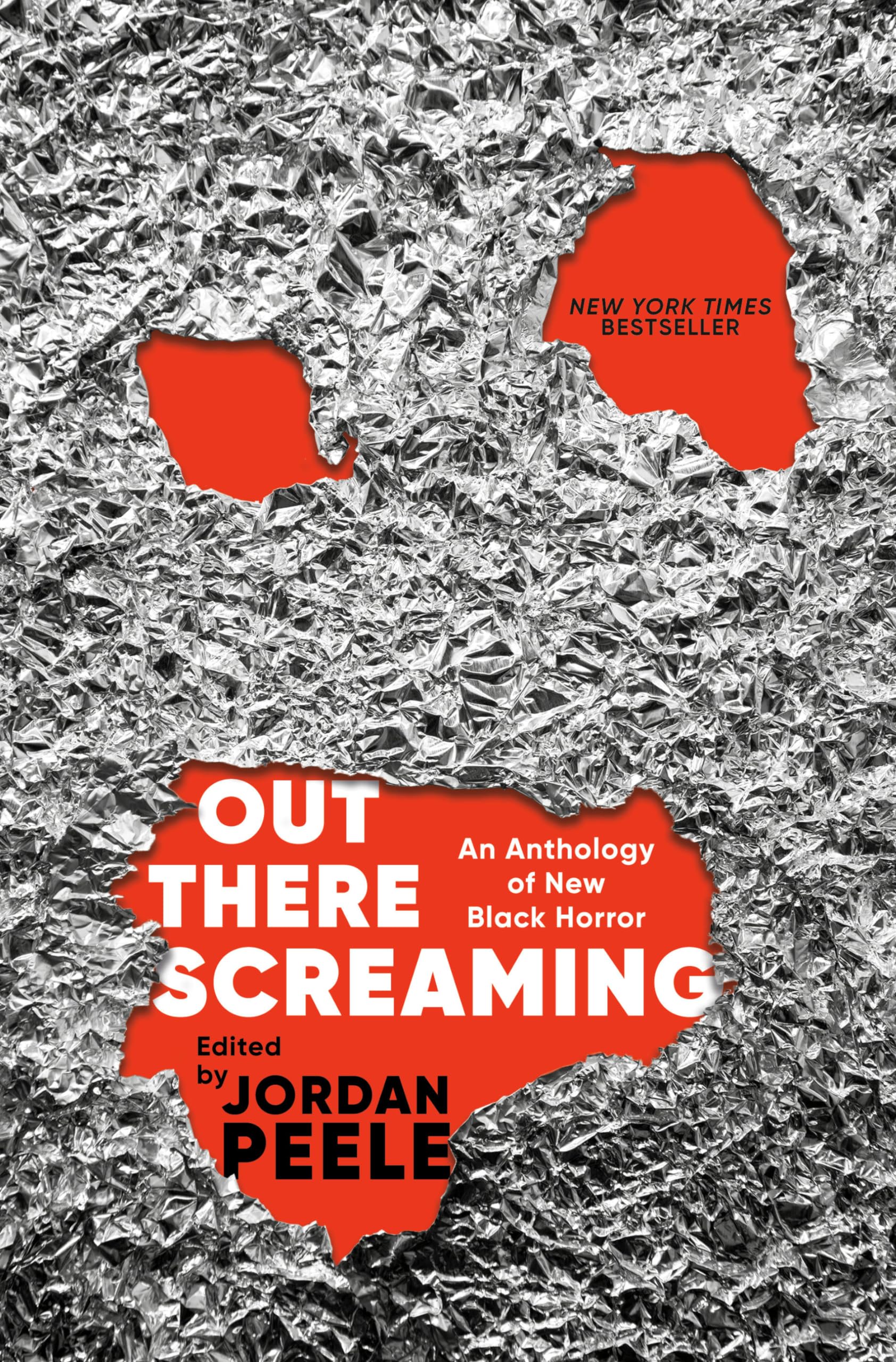
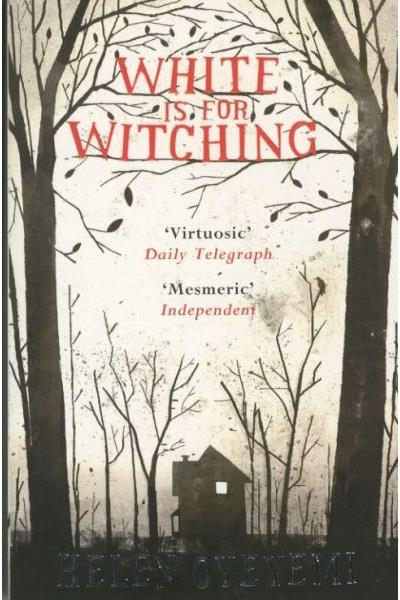
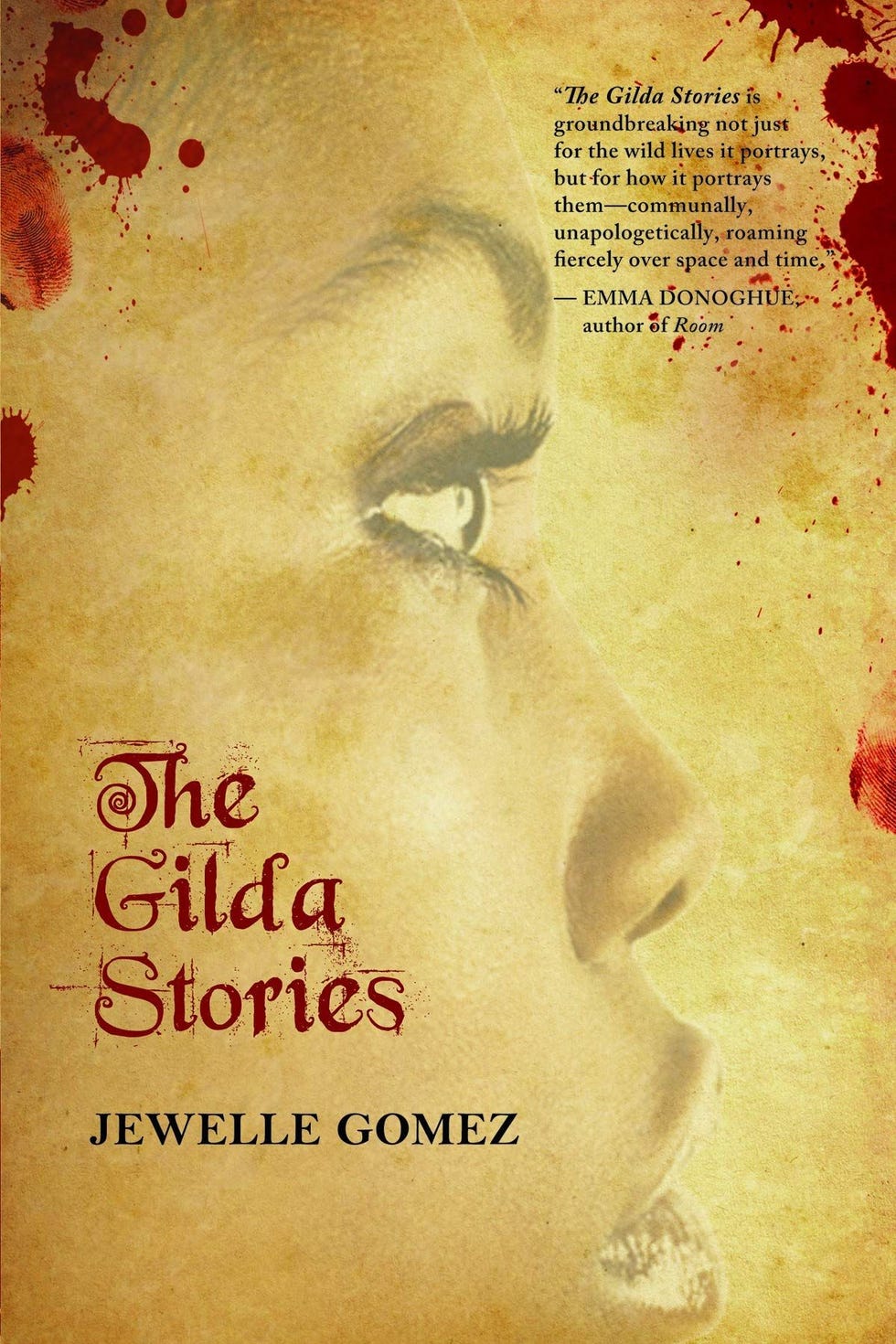
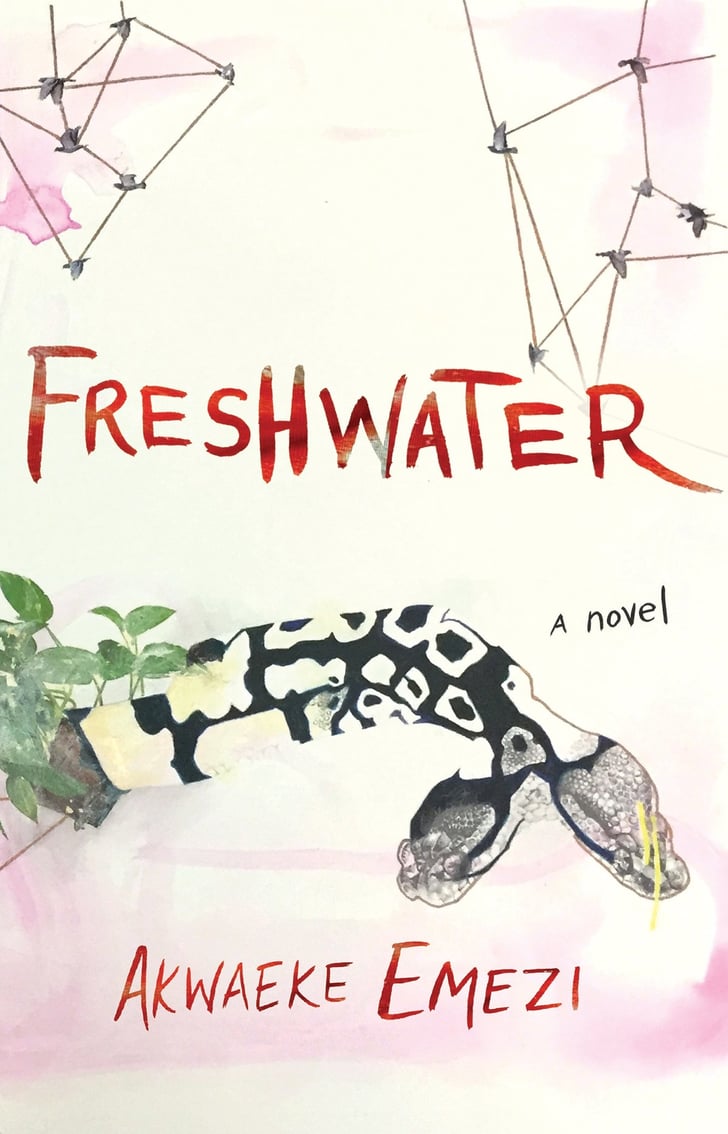
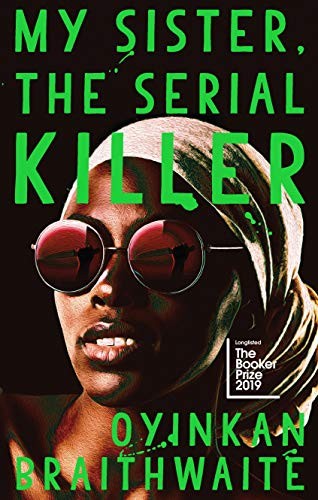
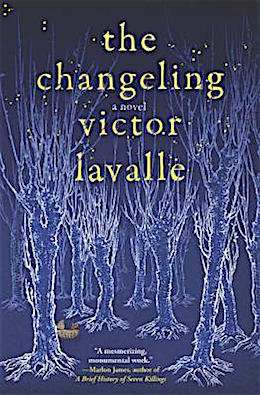
We’re featuring horror books this month for every kind of spooky story you’re in the mood for. Choose your flavor: do you want a haunted house (or two), zombies, a ghost story, or lesbian vampires? Of course we have social horror as well as supernatural, and collections of short stories – one edited by Jordan Peele, and one that includes fantasy and poetry. Of course, horror can also includesatire or even comedy. It can transcend genres into a blend of gothic and science fiction. All of these books are currently on display on the third floor of the library and available to be checked out. Have a spooky month!
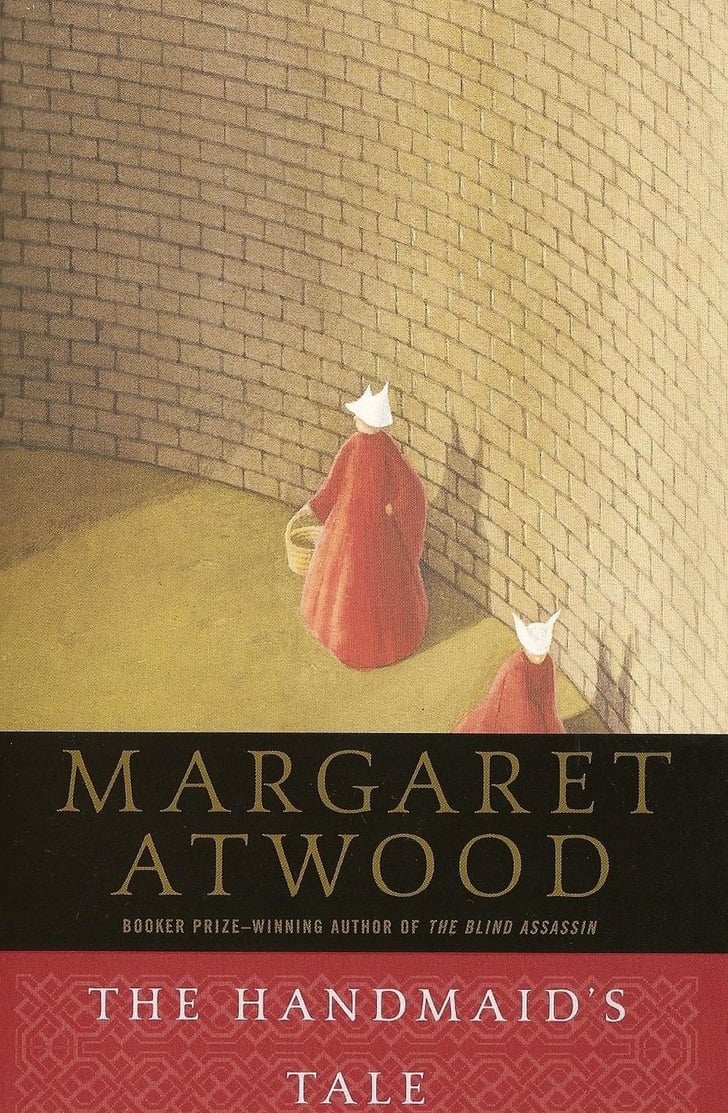
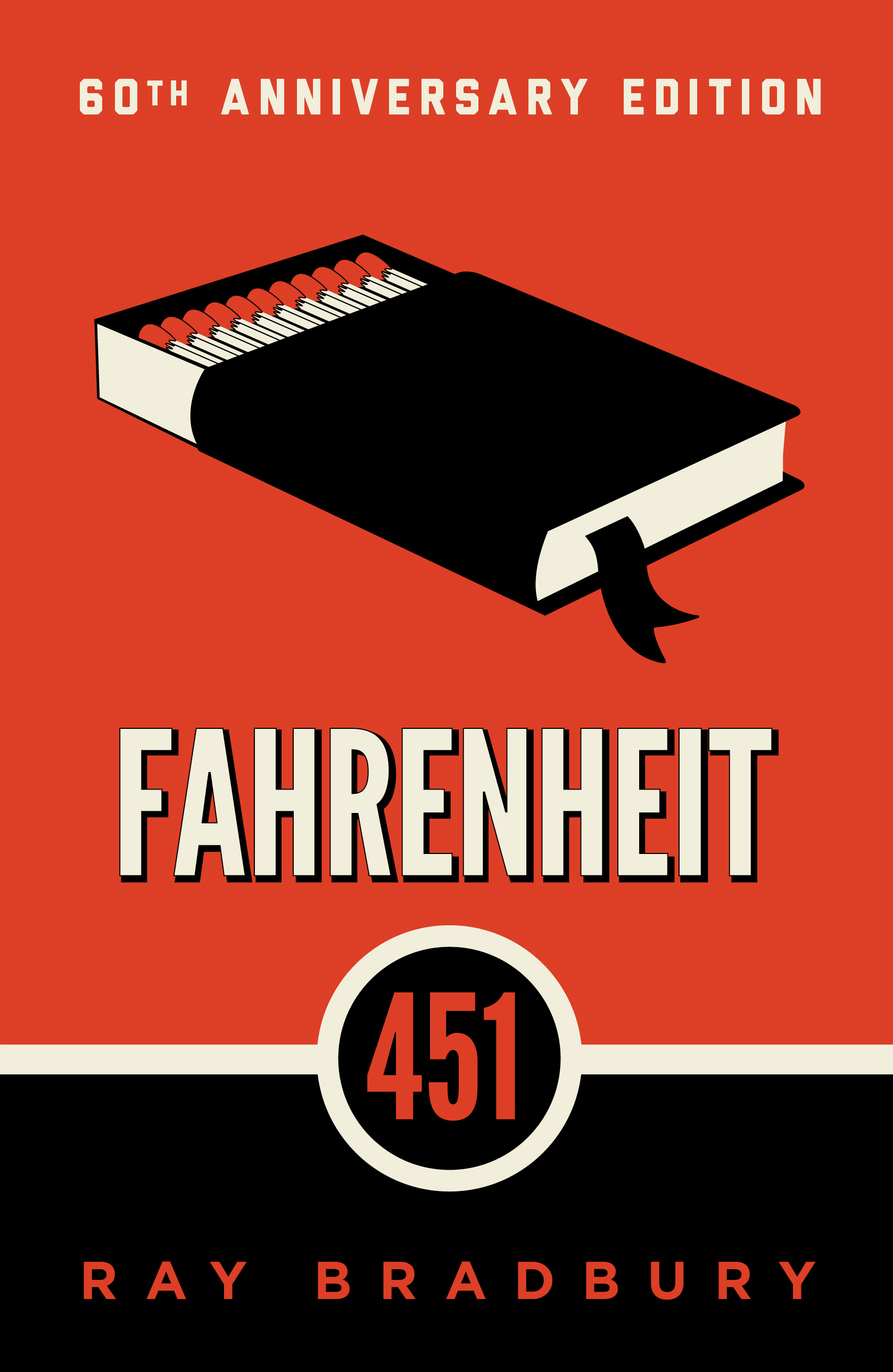
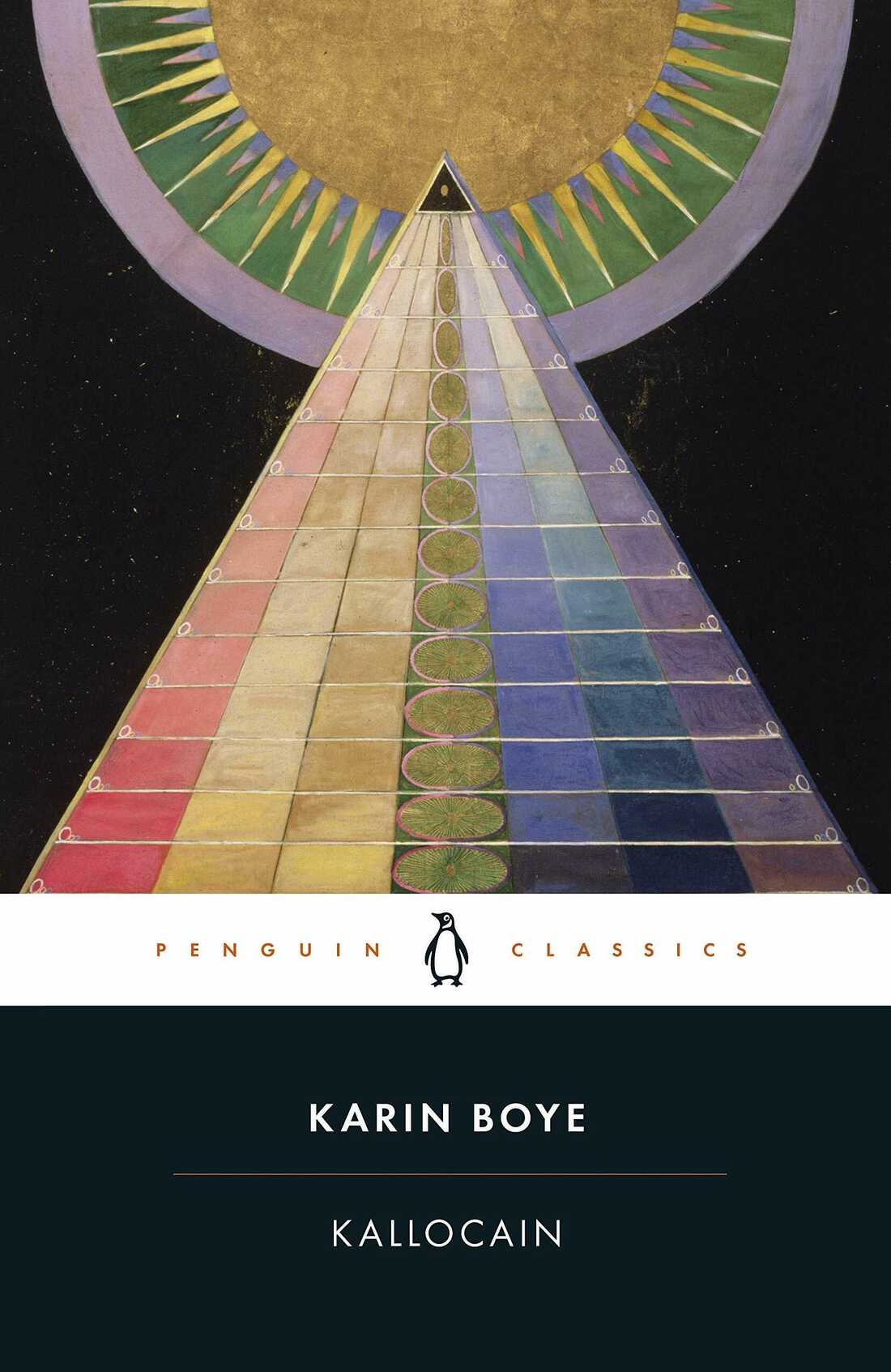
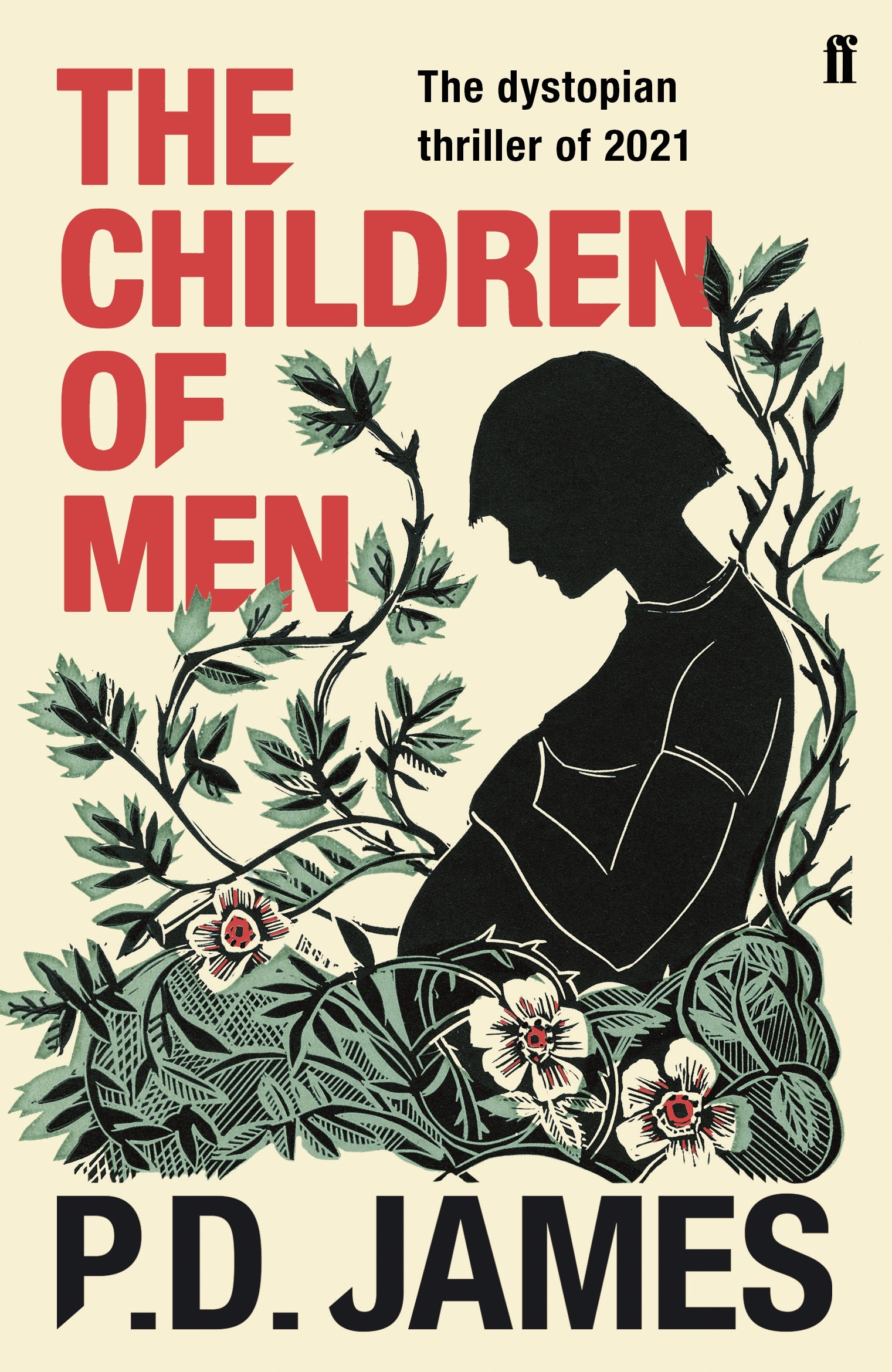
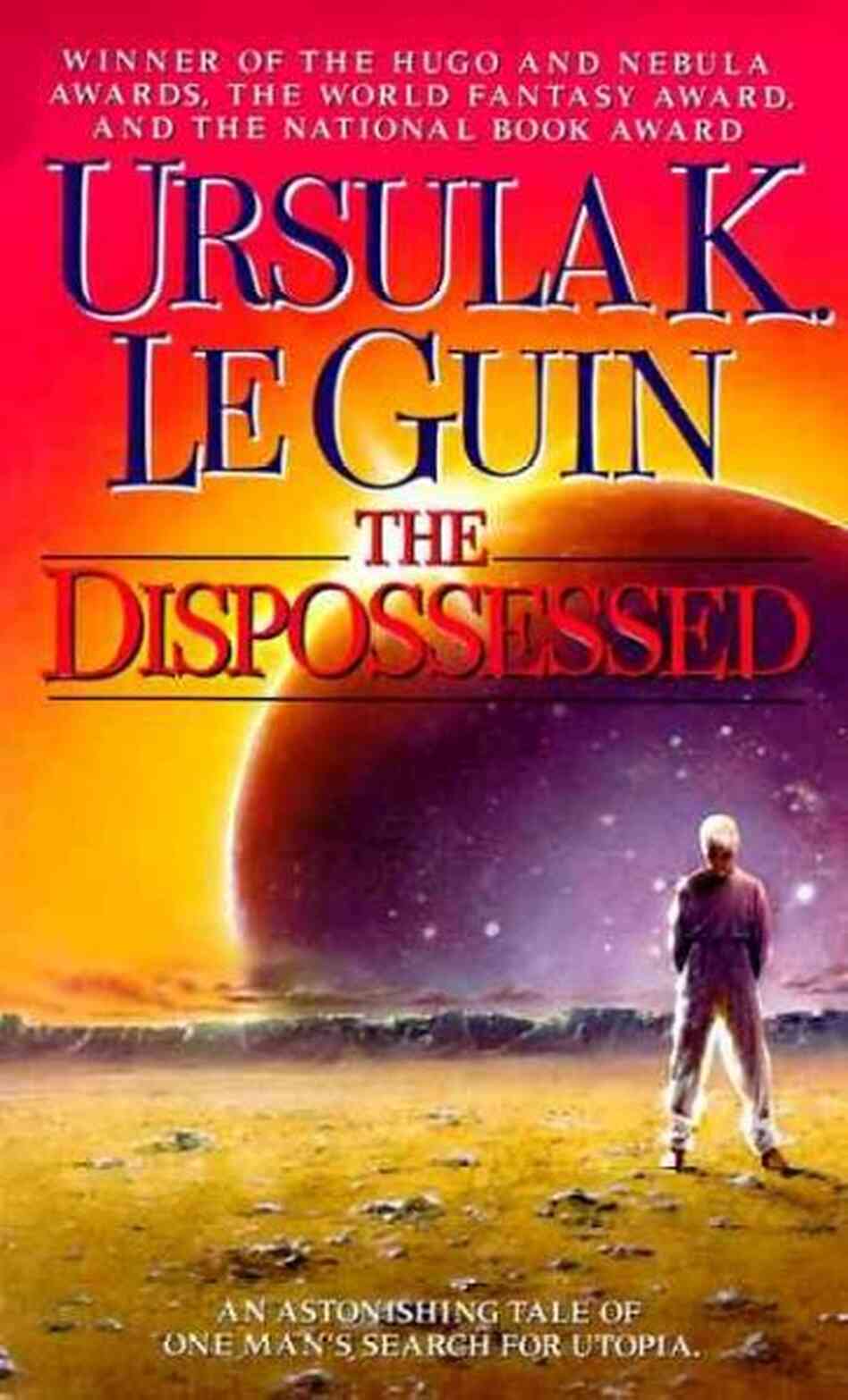
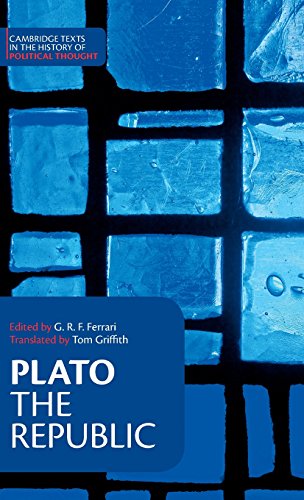
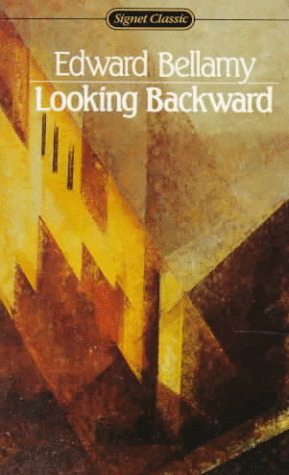
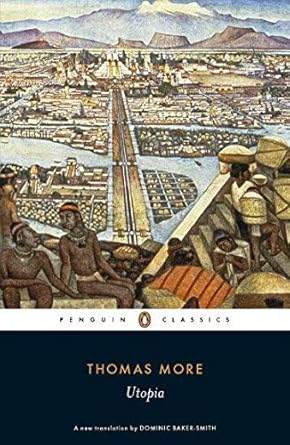
Welcome to law school – or welcome back. For this month, we’re highlighting some classic utopian and dystopian books. All of these are available to be checked out, and are on display on the third floor of the library.
First, the dystopias – the ones you’ve heard of and (maybe) the ones you haven’t:
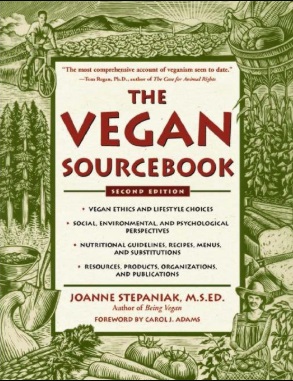
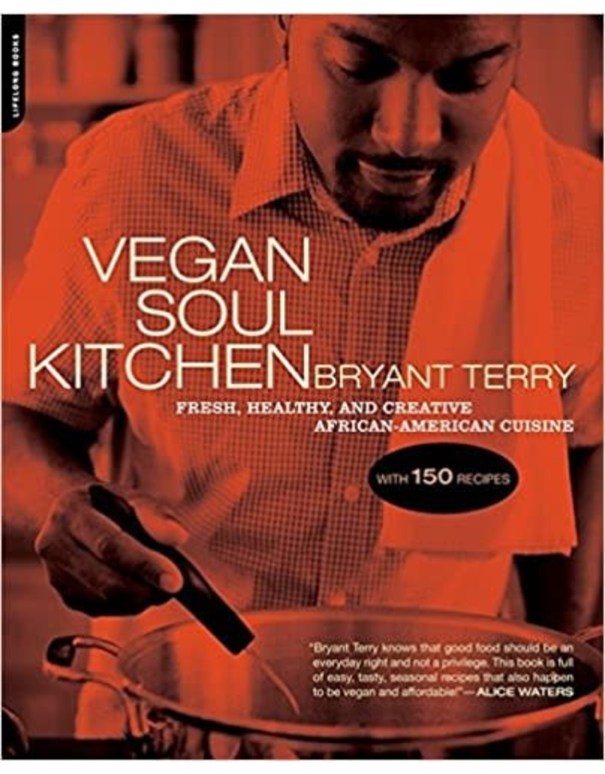
Happy Earth Month! For April 2025 we are featuring vegan (and a few vegetarian) cookbooks. These and other relevant books are on display outside the library or exist electronically, and are available to be checked out. Click on the book for the catalog link.
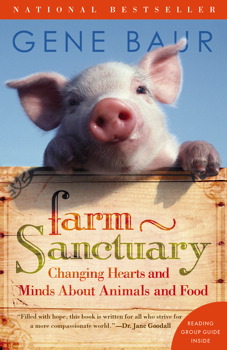
Happy Earth Month! This month’s book, Farm Sanctuary by Gene Baur, complements our upcoming reading list of vegan and vegetarian cookbooks.
“In Farm Sanctuary, Baur provides a thought=-provoking investigation of the ethical questions involved in the production of beef, poultry, pork, milk,and eggs — and what each of us can do to stop the mistreatment of farm animals and promote compassion. He details the triumphs and the disappointments of more than twenty years on the front lines of the animal protection movement. And he introduces us to some of the special creatures who live at Farm Sanctuary — from Maya the cow to Marmalade the chicken — all of whom escaped horrible circumstances to live happier, more peaceful lives. Farm Sanctuary shows how all of us have an opportunity and a responsibility to consume a kinder plate, making a better life for ourselves and animals as well. You will certainly never think of a hamburger or chicken breast the same way after reading this book.” (from the publisher)
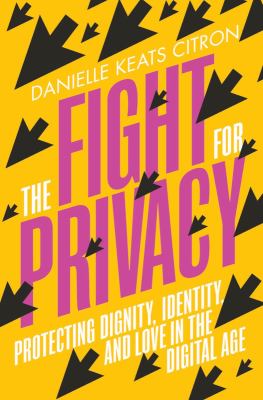
For March, we’re highlighting books on privacy and information security. These books and other relevant titles are on display outside the library or exist electronically, and are able to be checked out.
A collection of essays about today’s privacy and cybersecurity issues, We Have Root by Bruce Schneier can provide an introduction. Schneier writes in language that even those of use who are non-computer scientists and new to thinking about these issues can understand.
Privacy is disappearing. From our sex lives to our workout routines, the details of our lives once relegated to pen and paper have joined the slipstream of new technology. Social and political forces know how to manipulate what you think and who you trust, leveraging sensitive secrets and deepfake videos to ruin or silence opponents. And as new technologies invite new violations, people have power over one another like never before. (publisher)
Zuboff vividly brings to life the consequences as surveillance capitalism advances from Silicon Valley into every economic sector. Vast wealth and power are accumulated in ominous new “behavioral futures markets,” where predictions about our behavior are bought and sold, and the production of goods and services is subordinated to a new “means of behavioral modification.” (from Harvard’s Faculty website)
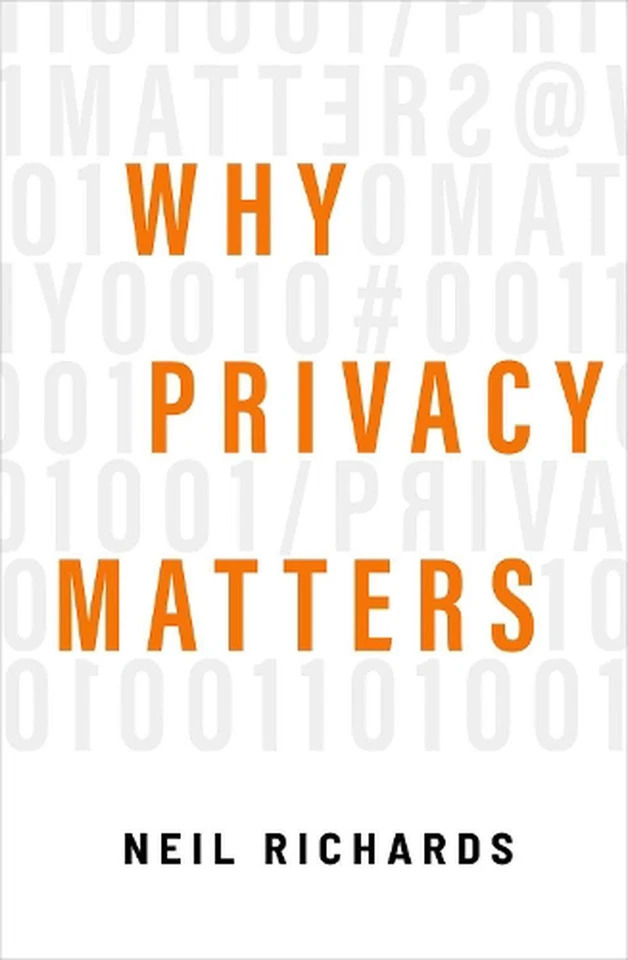
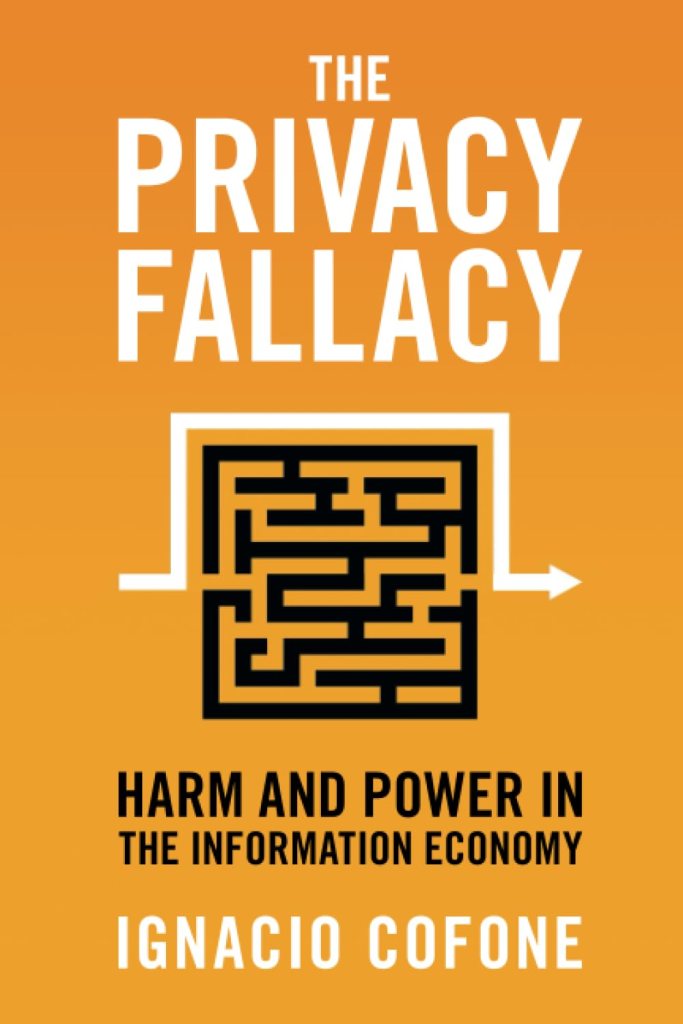
Many people tell us that privacy is dead, or that it is dying, but such talk is a dangerous fallacy. This book explains what privacy is, what privacy isn’t, and why privacy matters. The book suggests three such values that our human information rules should promote: identity, freedom, and protection. (publisher)
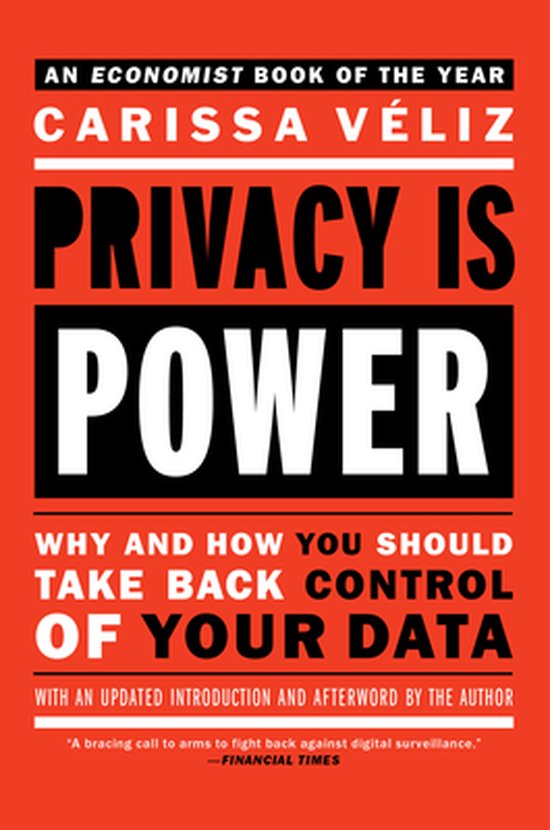
Reclaiming privacy is the only way we can regain control of our lives and our societies. These governments and corporations have too much power, and their power stems from us–from our data. Privacy is as collective as it is personal, and it’s time to take back control. (publisher)
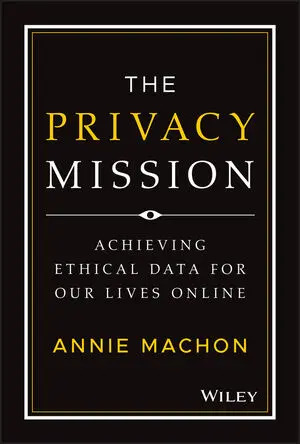
The subject of data ethics has never been more urgent. This is no longer an academic or niche geek issue as it has been since the inception of the internet and the world wide web. Data ethics is an issue that affects all of us now as our personal and professional lives increasingly take place online. This book offers practical solutions for companies, policy makers and individuals to push back against known threats and future proof themselves going forward. (publisher)
If you’re looking for an excuse to quit social media:
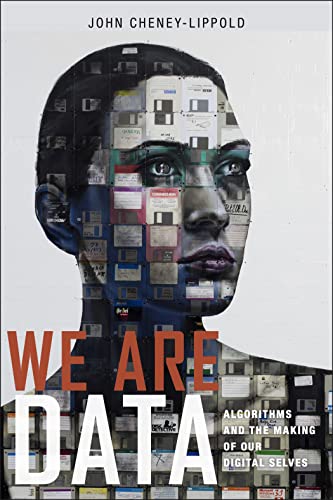
Algorithms are everywhere, organizing the near limitless data that exists in our world. Derived from our every search, like, click, and purchase, algorithms determine the news we get, the ads we see, the information accessible to us and even who our friends are. These complex configurations not only form knowledge and social relationships in the digital and physical world, but also determine who we are and who we can be, both on and offline. (publisher)
Every day, Internet users interact with technologies designed to undermine their privacy. Social media apps, surveillance technologies, and the Internet of Things are all built in ways that make it hard to guard personal information. And the law says this is okay because it is up to users to protect themselves—even when the odds are deliberately stacked against them. (publisher)
Because you’re a law student, and you want to think about the law:
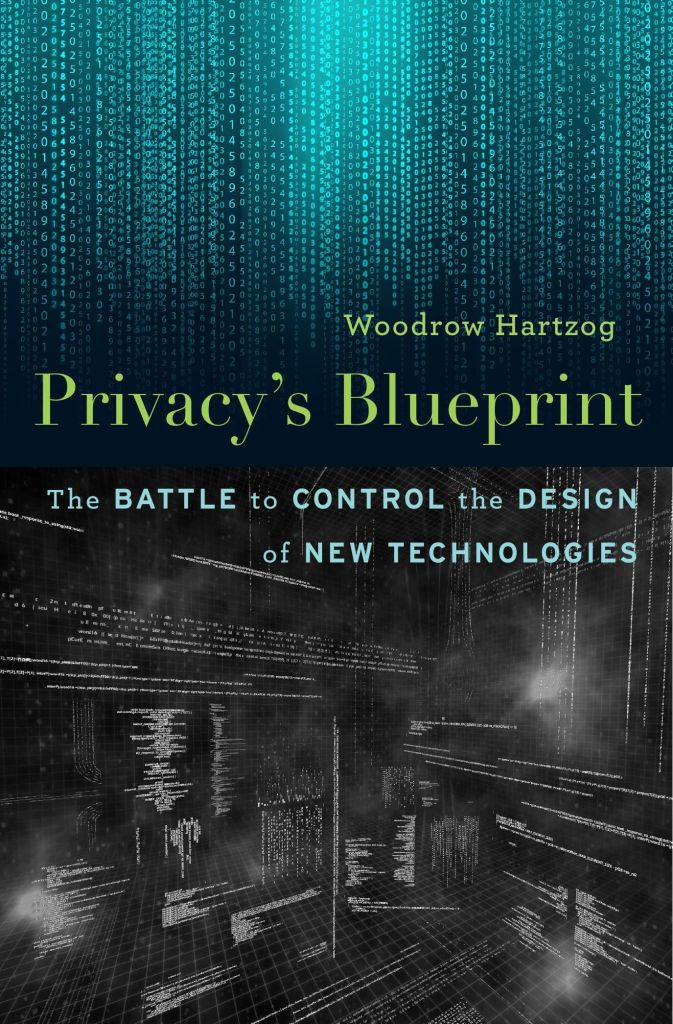
Our privacy is besieged by tech companies. Companies can do this because our laws are built on outdated ideas that trap lawmakers, regulators, and courts into wrong assumptions about privacy, resulting in ineffective legal remedies to one of the most pressing concerns of our generation. (publisher)
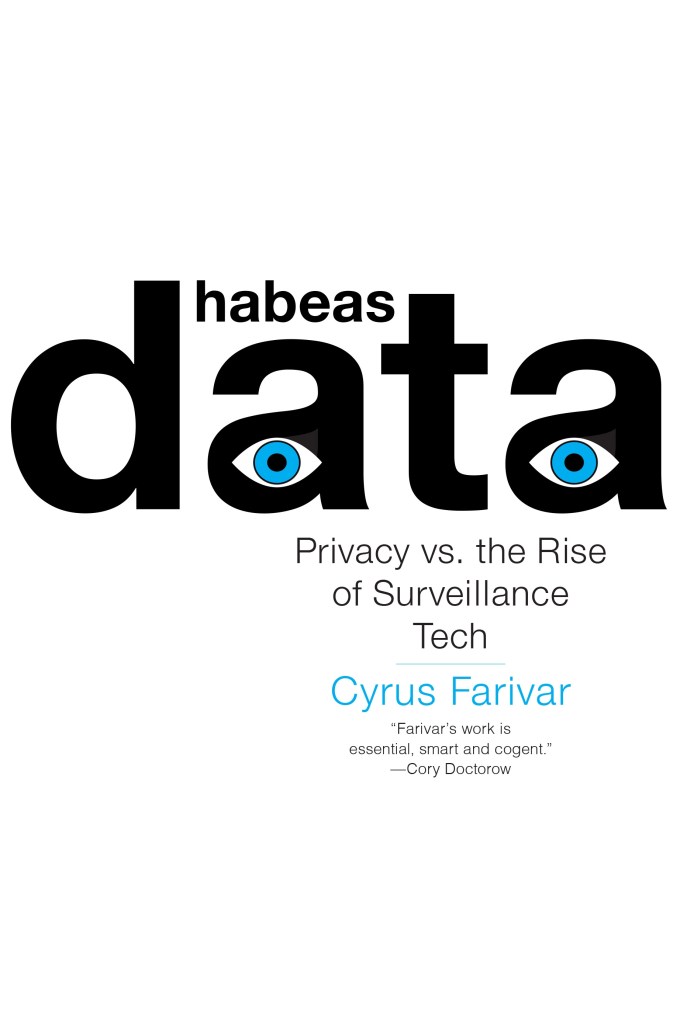
Until the twenty-first century, most of our activities were private by default, public only through effort; today anything that touches digital space has the potential (and likelihood) to remain somewhere online forever. That means all of the technologies that have made our lives easier, faster, better, and/or more efficient have also simultaneously made it easier to keep an eye on our activities. (publisher)
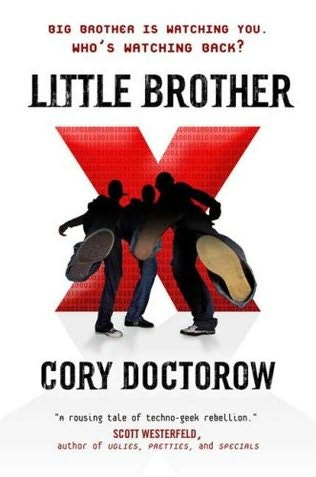
It’s that time of the semester year when we all might want to take a break with a young adult novel, so March’s book of the month is Little Brother by Cory Doctorow.
After being interrogated for days by the Department of Homeland Security in the aftermath of a major terrorist attack on San Francisco, California, seventeen-year-old Marcus, released into what is now a police state, decides to use his expertise in computer hacking to set things right. (Summary from the publisher).
In honor of Black History Month, the library has compiled a reading list that gives a history of Black legal activism in the United States. These books highlight how Black lawyers, judges, and activists pushed for equality and justice. If you’re interested in researching this further, Northwestern has research guides on *Black Studies and The African Diaspora in the Americas and the Caribbean. These books and other relevant titles are on display outside the library.
John Mercer Langston (1829–1897) was an orator, abolitionist, lawyer, intellectual, diplomat, and politician. Born free on a Virginia plantation, Langston graduated from Oberlin College in 1849. He soon gained admission to the Ohio bar–the first Black person to do so–and by the age of twenty-five became one of the first Black Americans to hold elective office. Langston promoted Black civil rights, helped shape the nascent Republican Party, aided in the Oberlin-Wellington Rescue and John Brown’s raid, and recruited Black soldiers for the Union cause during the Civil War. In 1864, he became the first president of the National Equal Rights League. (from the publisher)
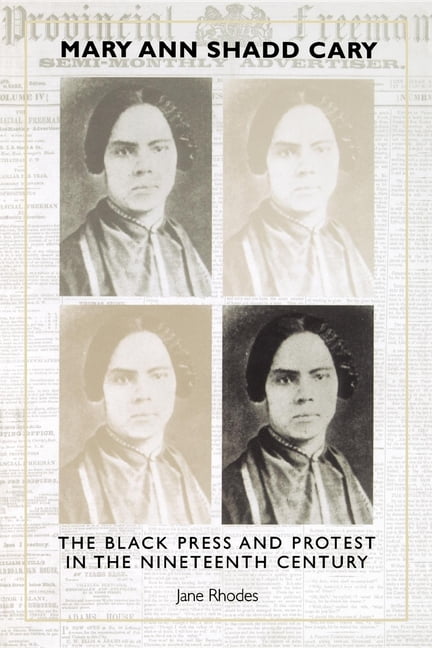
Mary Ann Shadd Cary was a courageous and outspoken nineteenth-century African American who used the press and public speaking to fight slavery and oppression in the United States and Canada. Part of the small free black elite who used their education and limited freedoms to fight for the end of slavery and racial oppression, Shadd Cary is best known as the first African American woman to publish and edit a newspaper in North America. But her importance does not stop there. She was an active participant in many of the social and political movements that influenced nineteenth century abolition, black emigration and nationalism, women’s rights, and temperance. (from the publisher)
Written by leading scholars of African American and women’s history, the essays in this volume seek to reconceptualize the political history of black women in the United States by placing them “at the center of our thinking.” The book explores how slavery, racial discrimination, and gender shaped the goals that African American women set for themselves, their families, and their race and looks at the political tools at their disposal. By identifying key turning points for black women, the essays create a new chronology and a new paradigm for historical analysis. The chronology begins in 1837 with the interracial meeting of antislavery women in New York City and concludes with the civil rights movement of the 1960s. (from the publisher)
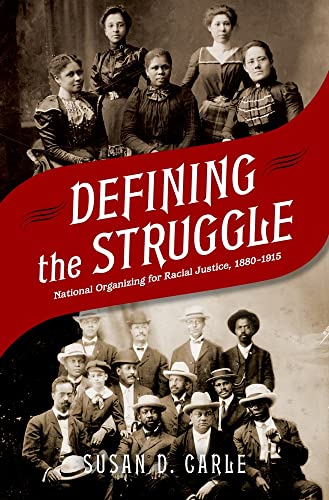
This book uncovers the forgotten contributions of late nineteenth-century and early twentieth-century national organizations—including the National Afro-American League, the National Afro-American Council, the National Association of Colored Women’s Clubs, and the Niagara Movement—in developing strategies for racial justice organizing, which they then passed on to the NAACP and the National Urban League. It tells the story of these organizations’ leaders and motivations, the initiatives they undertook, and the ideas about law and racial justice activism they developed and passed on to future generations. In so doing it sheds new light on how these early origins helped set the path for twentieth-century legal civil rights activism in the United States. The book shows that, at an early foundational stage of national racial justice organizing, activists thought about civil and political rights and the social welfare and economic aspects of achieving racial justice as interrelated aspects of a comprehensive agenda. (from the publisher)
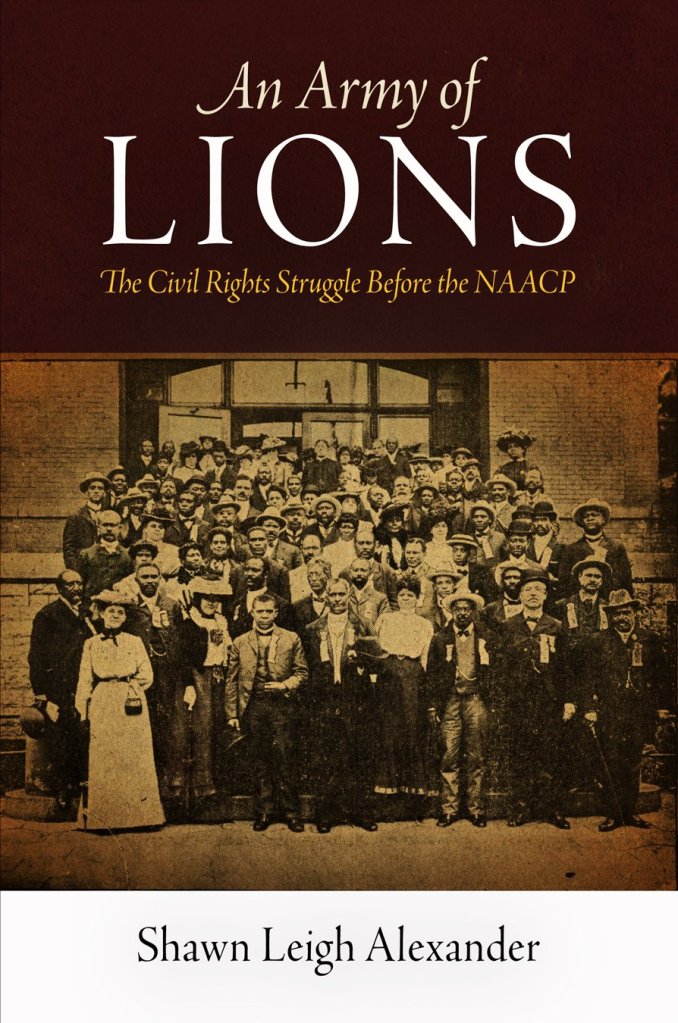
As Jim Crow curtailed modes of political protest and legal redress, members of the Afro-American League and the organizations that formed in its wake—including the Afro-American Council, the Niagara Movement, the Constitution League, and the Committee of Twelve—used propaganda, moral suasion, boycotts, lobbying, electoral office, and the courts, as well as the call for self-defense, to end disfranchisement, segregation, and racial violence. In the process, the League and the organizations it spawned provided the ideological and strategic blueprint of the NAACP and the struggle for civil rights in the twentieth century, demonstrating that there was significant and effective agitation during “the age of accommodation.” (from the publisher)
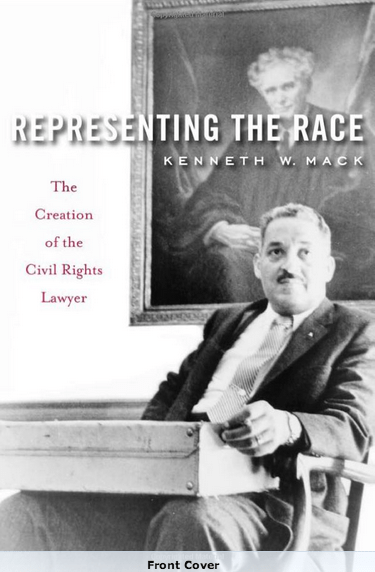
Representing the Race tells the story of an enduring paradox of American race relations through the prism of a collective biography of African American lawyers who worked in the era of segregation. Practicing the law and seeking justice for diverse clients, they confronted a tension between their racial identity as black men and women and their professional identity as lawyers. Both blacks and whites demanded that these attorneys stand apart from their racial community as members of the legal fraternity. Yet, at the same time, they were expected to be “authentic”—that is, in sympathy with the black masses. This conundrum, as Kenneth W. Mack shows, continues to reverberate through American politics today. (from the publisher)
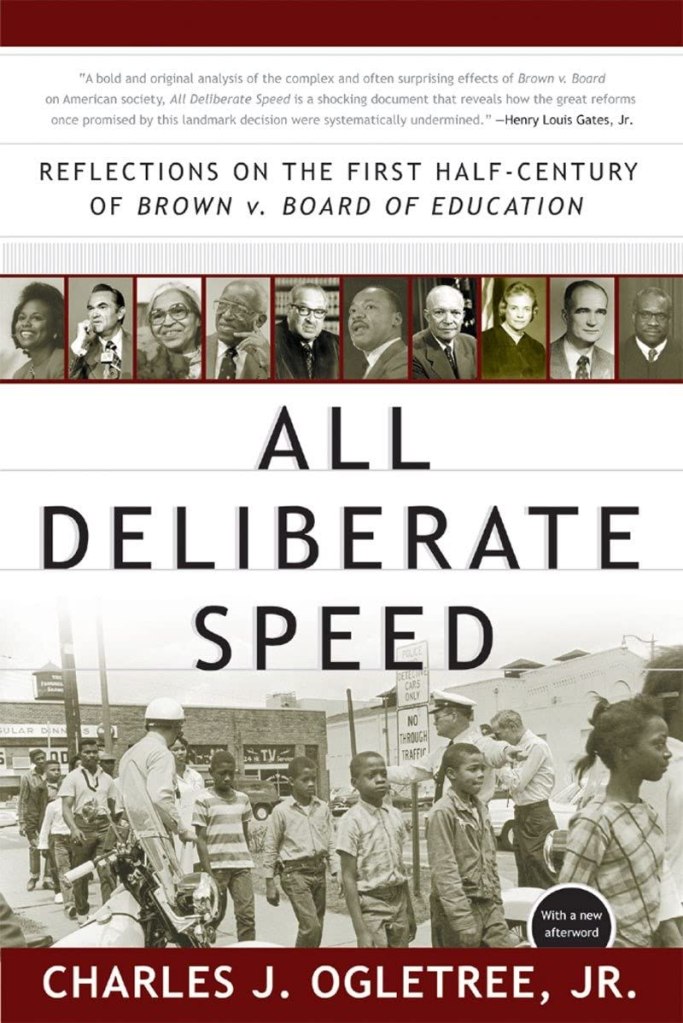
Charles Ogletree, Jr., tells his personal story of growing up a “Brown baby” against a vivid pageant of historical characters that includes, among others, Thurgood Marshall, Martin Luther King, Jr., Earl Warren, Anita Hill, Alan Bakke, and Clarence Thomas. A measured blend of personal memoir, exacting legal analysis, and brilliant insight, Ogletree’s eyewitness account of the legacy of Brown v. Board of Education offers a unique vantage point from which to view five decades of race relations in America.” (from the publisher)
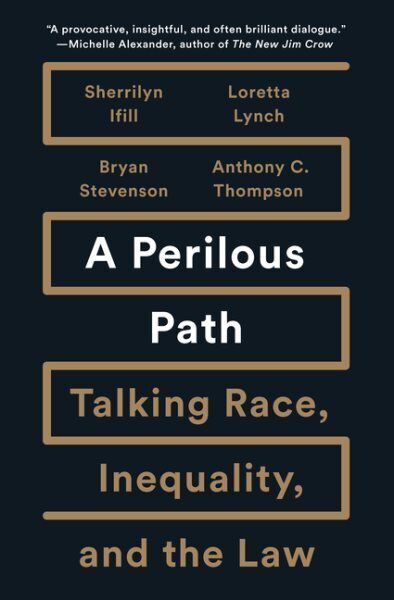
Drawing on their collective decades of work on civil rights issues as well as personal histories of rising from poverty and oppression, these titans of the legal profession discuss the importance of working for justice in an unjust time.
Covering topics as varied as “the commonality of pain,” “when ‘public’ became a dirty word,” and the concept of an “equality dividend” that is due to people of color for helping America brand itself internationally as a country of diversity and acceptance, Sherrilyn Ifill, Loretta Lynch, Bryan Stevenson, and Anthony C. Thompson engage in a deeply thought-provoking discussion on the law’s role in both creating and solving our most pressing racial quandaries. (from the publisher)
Racism and discrimination have choked economic opportunity for African Americans at nearly every turn. At several historic moments, the trajectory of racial inequality could have been altered dramatically. But neither Reconstruction nor the New Deal nor the civil rights struggle led to an economically just and fair nation. Today, systematic inequality persists in the form of housing discrimination, unequal education, police brutality, mass incarceration, employment discrimination, and massive wealth and opportunity gaps. Economic data indicates that for every dollar the average white household holds in wealth the average black household possesses a mere ten cents. This compelling and sharply argued book addresses economic injustices head-on and make the most comprehensive case to date for economic reparations for U.S. descendants of slavery. (from the publisher)
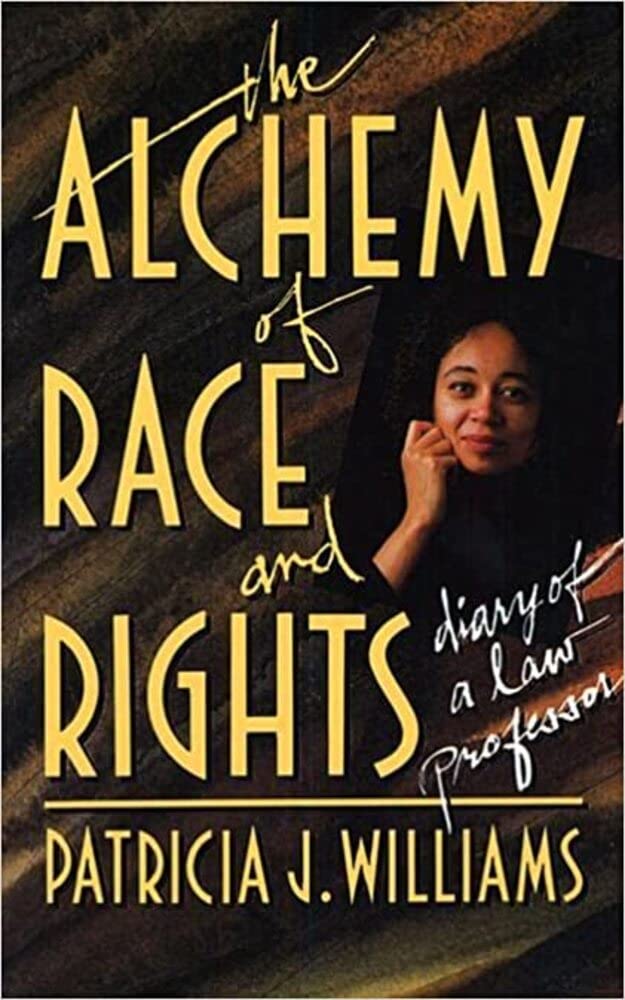
Using the tools of critical literary and legal theory, Patricia Williams sets out her views of contemporary popular culture and current events, from Howard Beach to homelessness, from Tawana Brawley to the law-school classroom, from civil rights to Oprah Winfrey, from Bernhard Goetz to Mary Beth Whitehead. She also traces the workings of “ordinary racism”—everyday occurrences, casual, unintended, banal perhaps, but mortifying. Taking up the metaphor of alchemy, Williams casts the law as a mythological text in which the powers of commerce and the Constitution, wealth and poverty, sanity and insanity, wage war across complex and overlapping boundaries of discourse. In deliberately transgressing such boundaries, she pursues a path toward racial justice that is, ultimately, transformative. (from the publisher)





























 Northwestern Law Library Blog