
In honor of Black History Month, the library has compiled a reading list that gives a history of Black legal activism in the United States. These books highlight how Black lawyers, judges, and activists pushed for equality and justice. If you’re interested in researching this further, Northwestern has research guides on *Black Studies and The African Diaspora in the Americas and the Caribbean. These books and other relevant titles are on display outside the library.
John Mercer Langston and the Fight for Black Freedom, 1829-65

John Mercer Langston (1829–1897) was an orator, abolitionist, lawyer, intellectual, diplomat, and politician. Born free on a Virginia plantation, Langston graduated from Oberlin College in 1849. He soon gained admission to the Ohio bar–the first Black person to do so–and by the age of twenty-five became one of the first Black Americans to hold elective office. Langston promoted Black civil rights, helped shape the nascent Republican Party, aided in the Oberlin-Wellington Rescue and John Brown’s raid, and recruited Black soldiers for the Union cause during the Civil War. In 1864, he became the first president of the National Equal Rights League. (from the publisher)
Mary Ann Shadd Cary : The Black Press and Protest in the Nineteenth Century
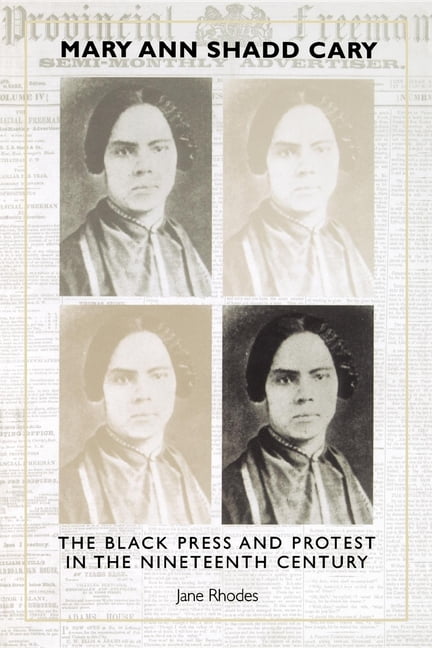
Mary Ann Shadd Cary was a courageous and outspoken nineteenth-century African American who used the press and public speaking to fight slavery and oppression in the United States and Canada. Part of the small free black elite who used their education and limited freedoms to fight for the end of slavery and racial oppression, Shadd Cary is best known as the first African American woman to publish and edit a newspaper in North America. But her importance does not stop there. She was an active participant in many of the social and political movements that influenced nineteenth century abolition, black emigration and nationalism, women’s rights, and temperance. (from the publisher)
You can read Mary Ann Shadd Cary’s words in Mary Ann Shadd Cary : Essential Writings of a Nineteenth-Century Black Radical Feminist.
African American Women and the Vote, 1837-1965
Written by leading scholars of African American and women’s history, the essays in this volume seek to reconceptualize the political history of black women in the United States by placing them “at the center of our thinking.” The book explores how slavery, racial discrimination, and gender shaped the goals that African American women set for themselves, their families, and their race and looks at the political tools at their disposal. By identifying key turning points for black women, the essays create a new chronology and a new paradigm for historical analysis. The chronology begins in 1837 with the interracial meeting of antislavery women in New York City and concludes with the civil rights movement of the 1960s. (from the publisher)
Defining the Struggle : National Organizing for Racial Justice, 1880-1915
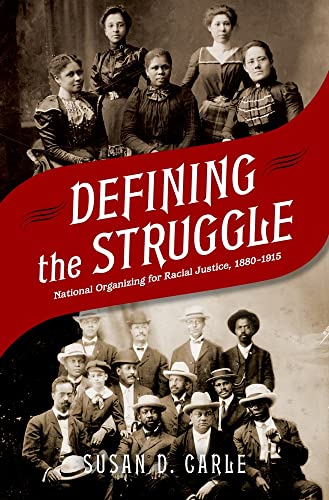
This book uncovers the forgotten contributions of late nineteenth-century and early twentieth-century national organizations—including the National Afro-American League, the National Afro-American Council, the National Association of Colored Women’s Clubs, and the Niagara Movement—in developing strategies for racial justice organizing, which they then passed on to the NAACP and the National Urban League. It tells the story of these organizations’ leaders and motivations, the initiatives they undertook, and the ideas about law and racial justice activism they developed and passed on to future generations. In so doing it sheds new light on how these early origins helped set the path for twentieth-century legal civil rights activism in the United States. The book shows that, at an early foundational stage of national racial justice organizing, activists thought about civil and political rights and the social welfare and economic aspects of achieving racial justice as interrelated aspects of a comprehensive agenda. (from the publisher)
An Army of Lions : The Civil Rights Struggle before the NAACP
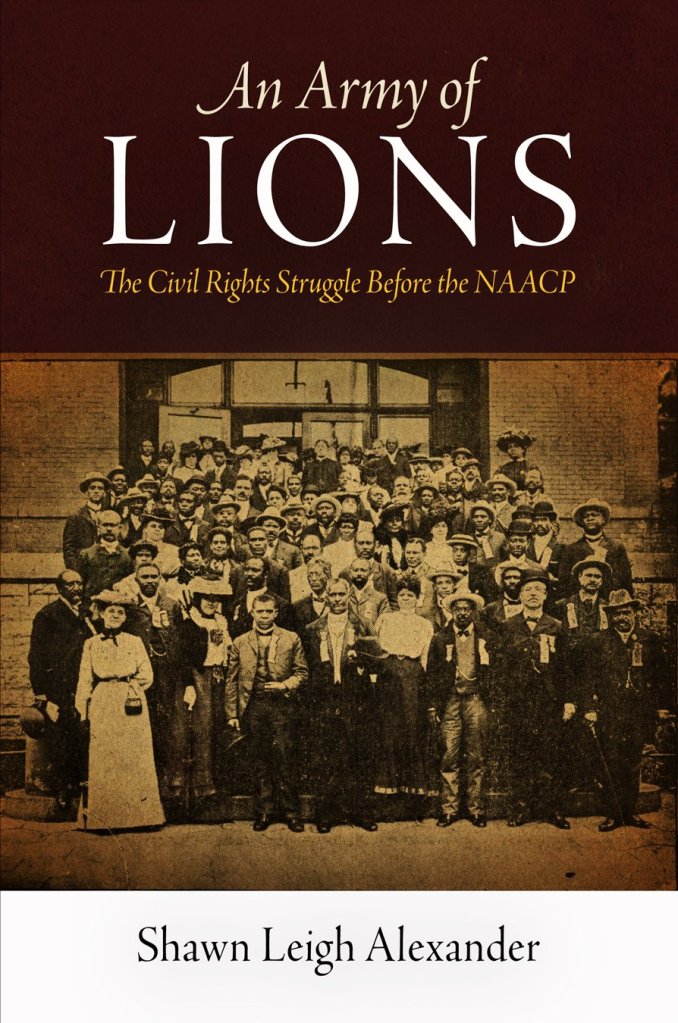
As Jim Crow curtailed modes of political protest and legal redress, members of the Afro-American League and the organizations that formed in its wake—including the Afro-American Council, the Niagara Movement, the Constitution League, and the Committee of Twelve—used propaganda, moral suasion, boycotts, lobbying, electoral office, and the courts, as well as the call for self-defense, to end disfranchisement, segregation, and racial violence. In the process, the League and the organizations it spawned provided the ideological and strategic blueprint of the NAACP and the struggle for civil rights in the twentieth century, demonstrating that there was significant and effective agitation during “the age of accommodation.” (from the publisher)
Representing the Race : The Creation of the Civil Rights Lawyer
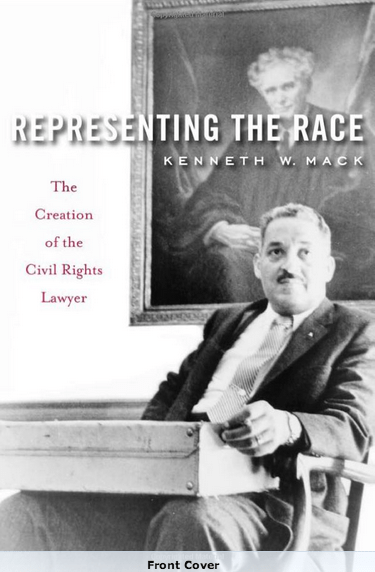
Representing the Race tells the story of an enduring paradox of American race relations through the prism of a collective biography of African American lawyers who worked in the era of segregation. Practicing the law and seeking justice for diverse clients, they confronted a tension between their racial identity as black men and women and their professional identity as lawyers. Both blacks and whites demanded that these attorneys stand apart from their racial community as members of the legal fraternity. Yet, at the same time, they were expected to be “authentic”—that is, in sympathy with the black masses. This conundrum, as Kenneth W. Mack shows, continues to reverberate through American politics today. (from the publisher)
All Deliberate Speed : Reflections on the First Half Century of Brown v. Board of Education
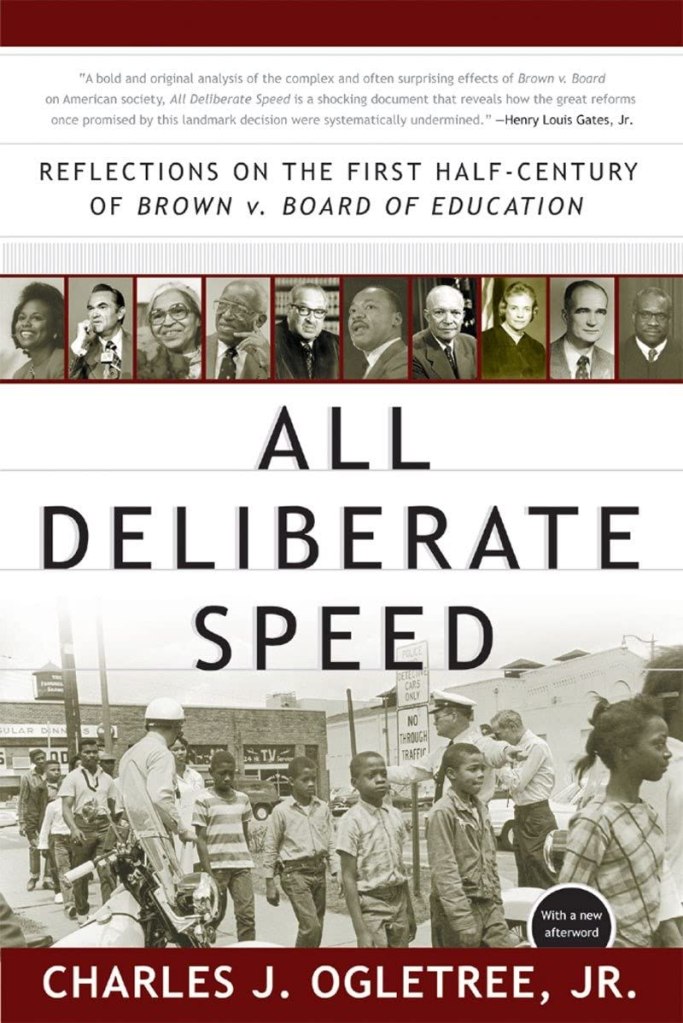
Charles Ogletree, Jr., tells his personal story of growing up a “Brown baby” against a vivid pageant of historical characters that includes, among others, Thurgood Marshall, Martin Luther King, Jr., Earl Warren, Anita Hill, Alan Bakke, and Clarence Thomas. A measured blend of personal memoir, exacting legal analysis, and brilliant insight, Ogletree’s eyewitness account of the legacy of Brown v. Board of Education offers a unique vantage point from which to view five decades of race relations in America.” (from the publisher)
A Perilous Path : Talking Race, Inequality, and the Law
Drawing on their collective decades of work on civil rights issues as well as personal histories of rising from poverty and oppression, these titans of the legal profession discuss the importance of working for justice in an unjust time.
Covering topics as varied as “the commonality of pain,” “when ‘public’ became a dirty word,” and the concept of an “equality dividend” that is due to people of color for helping America brand itself internationally as a country of diversity and acceptance, Sherrilyn Ifill, Loretta Lynch, Bryan Stevenson, and Anthony C. Thompson engage in a deeply thought-provoking discussion on the law’s role in both creating and solving our most pressing racial quandaries. (from the publisher)
From Here to Equality: Reparations for Black Americans in the Twenty-First Century

Racism and discrimination have choked economic opportunity for African Americans at nearly every turn. At several historic moments, the trajectory of racial inequality could have been altered dramatically. But neither Reconstruction nor the New Deal nor the civil rights struggle led to an economically just and fair nation. Today, systematic inequality persists in the form of housing discrimination, unequal education, police brutality, mass incarceration, employment discrimination, and massive wealth and opportunity gaps. Economic data indicates that for every dollar the average white household holds in wealth the average black household possesses a mere ten cents. This compelling and sharply argued book addresses economic injustices head-on and make the most comprehensive case to date for economic reparations for U.S. descendants of slavery. (from the publisher)
The Alchemy of Race and Rights
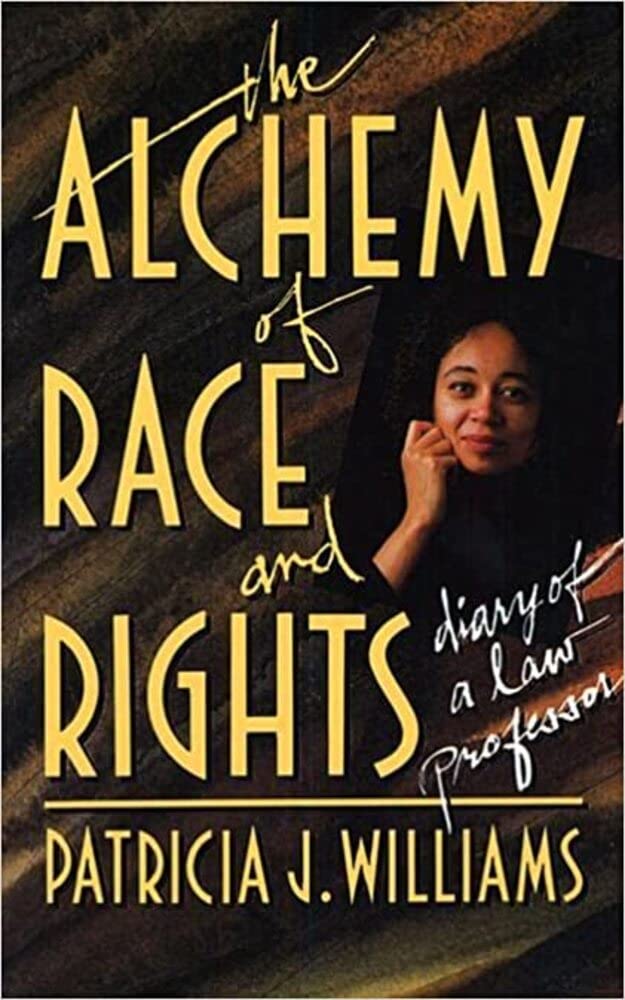
Using the tools of critical literary and legal theory, Patricia Williams sets out her views of contemporary popular culture and current events, from Howard Beach to homelessness, from Tawana Brawley to the law-school classroom, from civil rights to Oprah Winfrey, from Bernhard Goetz to Mary Beth Whitehead. She also traces the workings of “ordinary racism”—everyday occurrences, casual, unintended, banal perhaps, but mortifying. Taking up the metaphor of alchemy, Williams casts the law as a mythological text in which the powers of commerce and the Constitution, wealth and poverty, sanity and insanity, wage war across complex and overlapping boundaries of discourse. In deliberately transgressing such boundaries, she pursues a path toward racial justice that is, ultimately, transformative. (from the publisher)



 Northwestern Law Library Blog