
For March, we’re highlighting books on privacy and information security. These books and other relevant titles are on display outside the library or exist electronically, and are able to be checked out.
A collection of essays about today’s privacy and cybersecurity issues, We Have Root by Bruce Schneier can provide an introduction. Schneier writes in language that even those of use who are non-computer scientists and new to thinking about these issues can understand.
If you want to be terrified:

The Fight for Privacy, by Danielle Keats Citron
Privacy is disappearing. From our sex lives to our workout routines, the details of our lives once relegated to pen and paper have joined the slipstream of new technology. Social and political forces know how to manipulate what you think and who you trust, leveraging sensitive secrets and deepfake videos to ruin or silence opponents. And as new technologies invite new violations, people have power over one another like never before. (publisher)

The Age of Surveillance Capitalism, by Shoshana Zuboff
Zuboff vividly brings to life the consequences as surveillance capitalism advances from Silicon Valley into every economic sector. Vast wealth and power are accumulated in ominous new “behavioral futures markets,” where predictions about our behavior are bought and sold, and the production of goods and services is subordinated to a new “means of behavioral modification.” (from Harvard’s Faculty website)
If you want to be hopeful:
Why Privacy Matters, by Neil Richards
Many people tell us that privacy is dead, or that it is dying, but such talk is a dangerous fallacy. This book explains what privacy is, what privacy isn’t, and why privacy matters. The book suggests three such values that our human information rules should promote: identity, freedom, and protection. (publisher)
Privacy is Power, by Carissa Véliz
Reclaiming privacy is the only way we can regain control of our lives and our societies. These governments and corporations have too much power, and their power stems from us–from our data. Privacy is as collective as it is personal, and it’s time to take back control. (publisher)
The Privacy Mission by Annie Machon
The subject of data ethics has never been more urgent. This is no longer an academic or niche geek issue as it has been since the inception of the internet and the world wide web. Data ethics is an issue that affects all of us now as our personal and professional lives increasingly take place online. This book offers practical solutions for companies, policy makers and individuals to push back against known threats and future proof themselves going forward. (publisher)
If you’re looking for an excuse to quit social media:
We Are Data, by John Cheney-Lippold
Algorithms are everywhere, organizing the near limitless data that exists in our world. Derived from our every search, like, click, and purchase, algorithms determine the news we get, the ads we see, the information accessible to us and even who our friends are. These complex configurations not only form knowledge and social relationships in the digital and physical world, but also determine who we are and who we can be, both on and offline. (publisher)
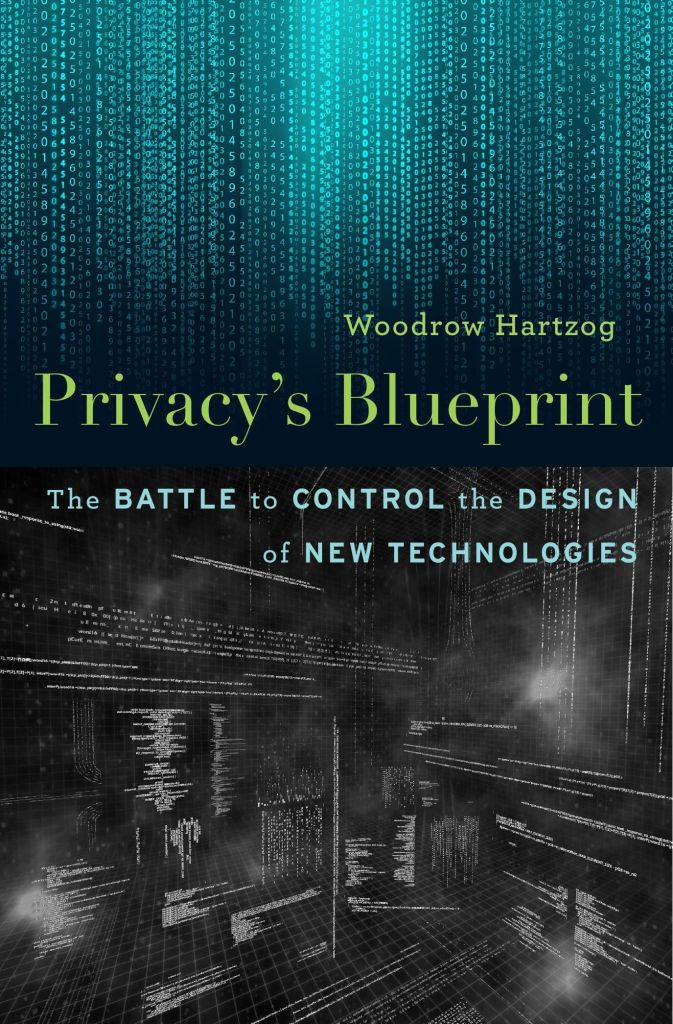
Privacy’s Blueprint, by Woodrow Hartzog
Every day, Internet users interact with technologies designed to undermine their privacy. Social media apps, surveillance technologies, and the Internet of Things are all built in ways that make it hard to guard personal information. And the law says this is okay because it is up to users to protect themselves—even when the odds are deliberately stacked against them. (publisher)
Because you’re a law student, and you want to think about the law:
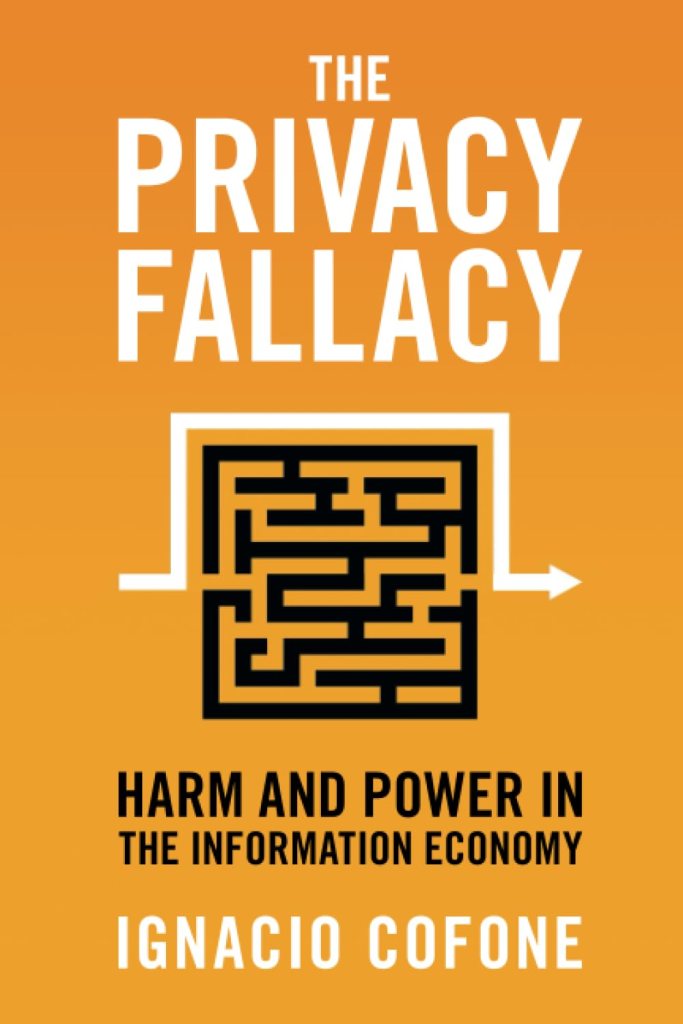
The Privacy Fallacy by Ignacio Cofone
Our privacy is besieged by tech companies. Companies can do this because our laws are built on outdated ideas that trap lawmakers, regulators, and courts into wrong assumptions about privacy, resulting in ineffective legal remedies to one of the most pressing concerns of our generation. (publisher)
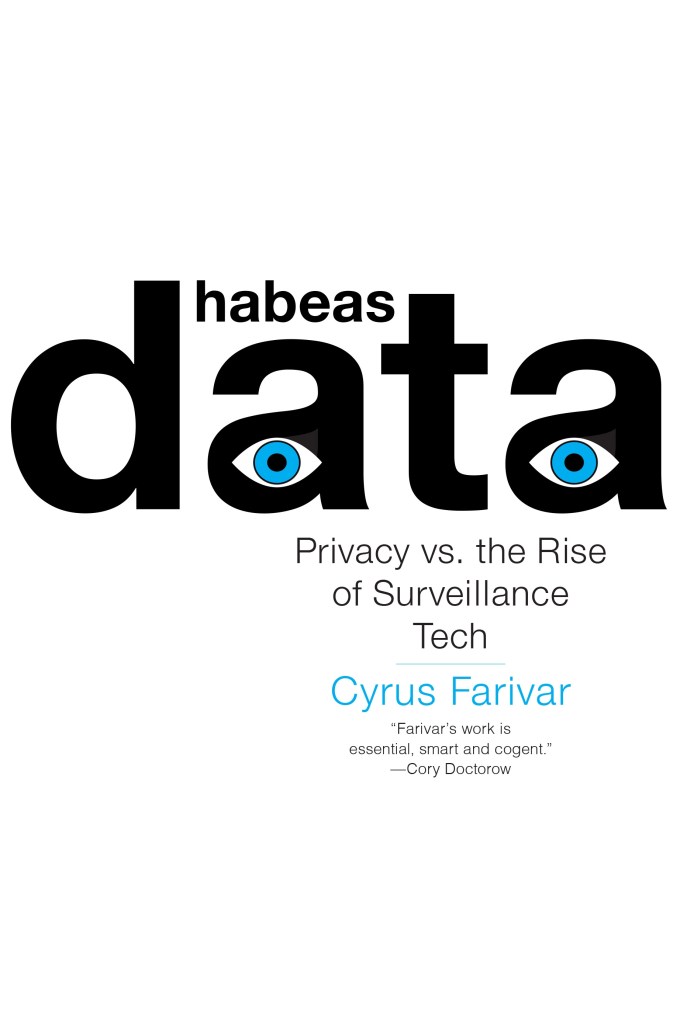
Habeas Data by Cyrus Farivar
Until the twenty-first century, most of our activities were private by default, public only through effort; today anything that touches digital space has the potential (and likelihood) to remain somewhere online forever. That means all of the technologies that have made our lives easier, faster, better, and/or more efficient have also simultaneously made it easier to keep an eye on our activities. (publisher)



 Northwestern Law Library Blog