MLK Commemoration 2025 Reading List

This reading list complements the law school’s MLK Commemoration events taking place from January 20 to 24, 2025.

Housing Discrimination, Segregation, and Gentrification

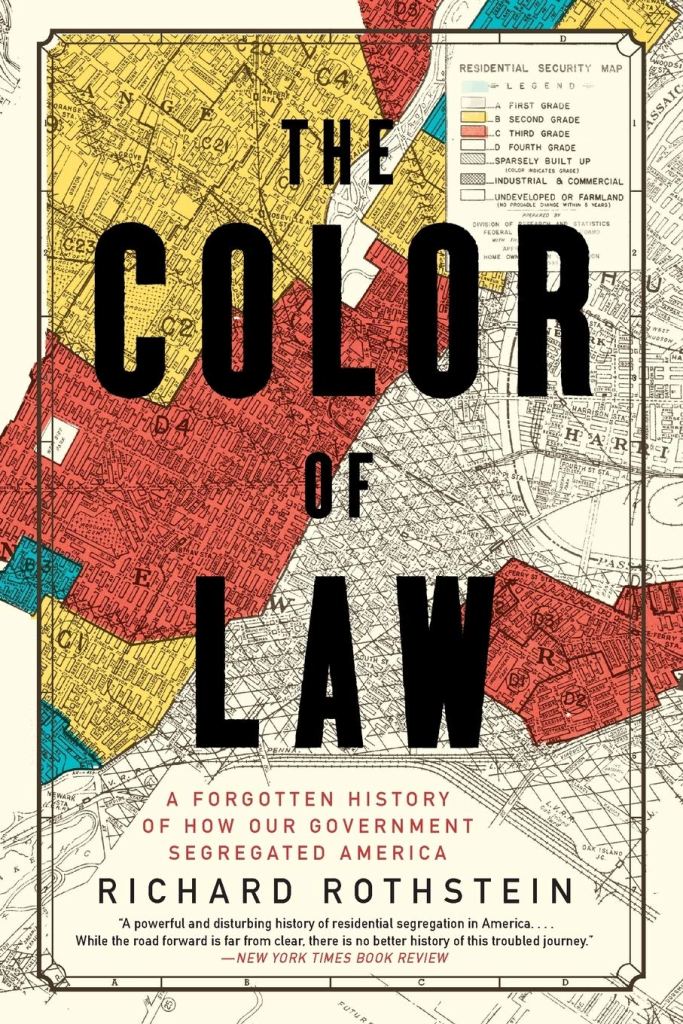
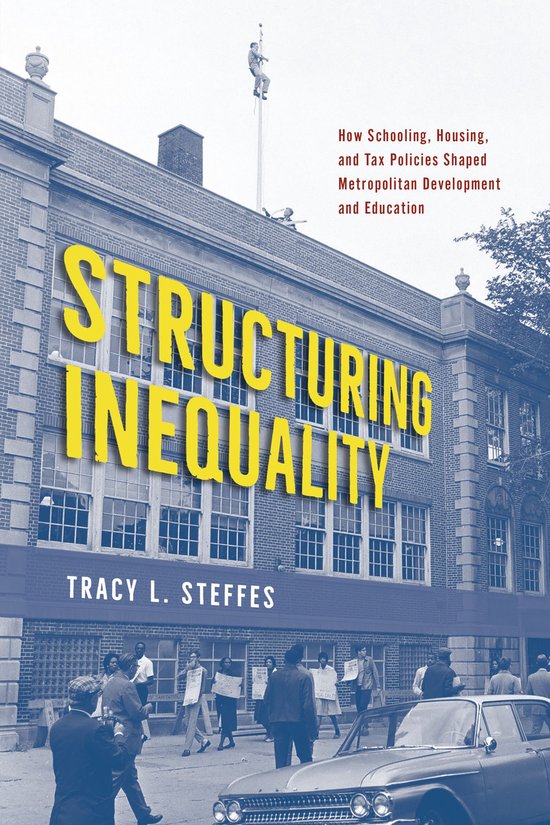
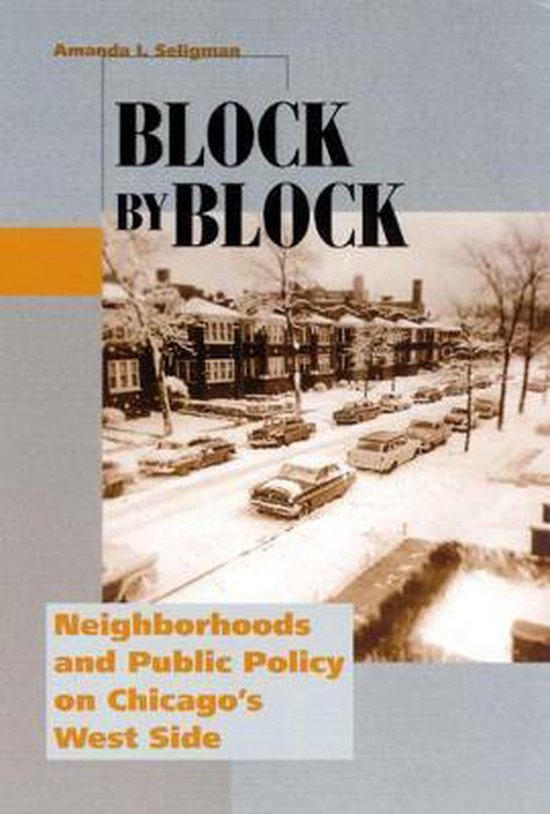
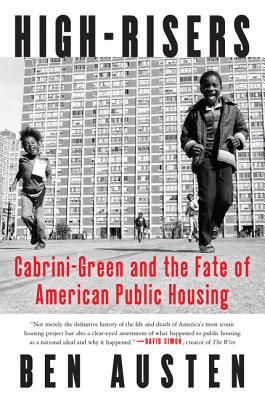
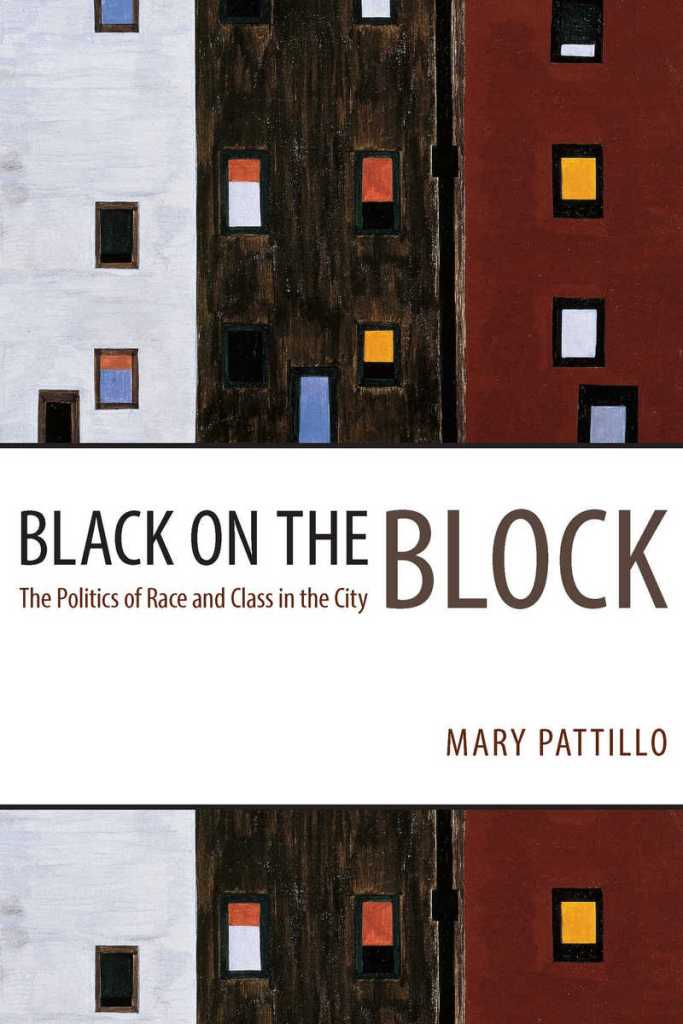
Chicago has a long history of housing discrimination and racial segregation. Structuring Inequality by Tracy Lynn Steffes discusses the role of public policy in creating and enforcing inequality and segregation in Chicago’s neighborhoods. Block by Block by Amanda Seligman gives a history of Chicago’s West side transitioning from a predominantly white to predominantly Black neighborhood. High Risers, by Ben Austin, is a nuanced study of Cabrini Green that incorporates voices of residents along with history. Issues of neighborhood segregation, gentrification, and inequality continue to this day. Black on the Block by Mary Patillo focuses on the South Side’s North Kenwood-Oakland neighborhood, a predominantly Black neighborhood facing gentrification. Us vs. Them by Jan Doering discusses recent gentrification in Rogers Park and Uptown on the North side.

book cover: Structuring Inequality
book cover: Block by Block
High Risers book cover
Black on the Block book cover
book cover: Us vs Them
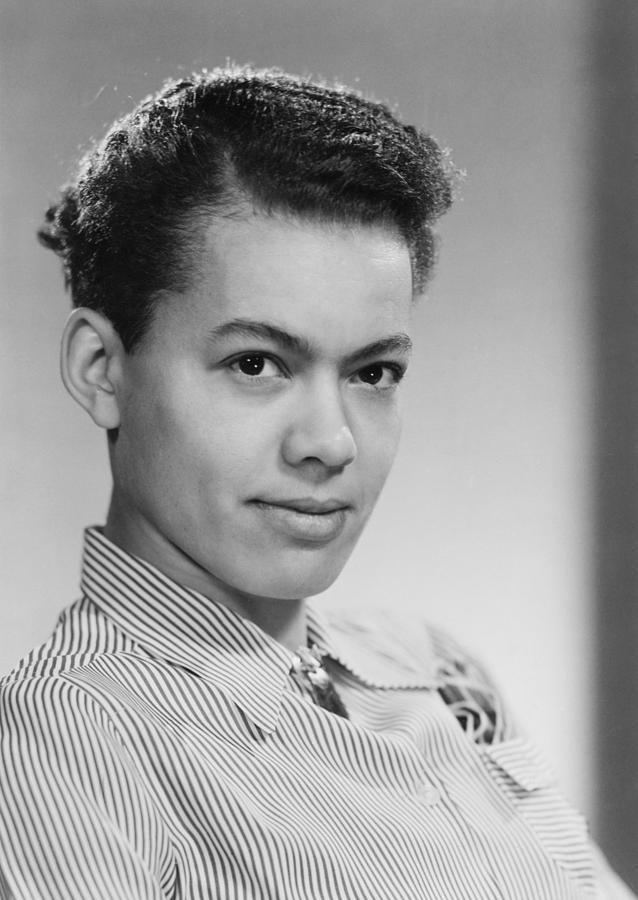
photo of Pauli Murray
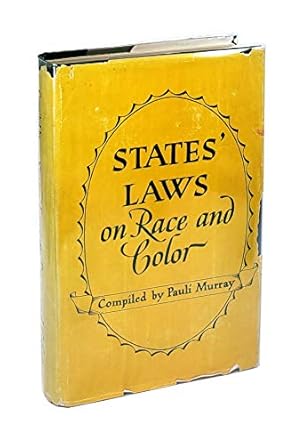
Cover of "States' Laws on Race and Color" by Pauli Murray

The library also has a copy of Pauli Murray’s States’ Laws on Race and Color, which Thurgood Marshall referred to as “the bible” of Brown v. Board of Education. Laws on Race and Color compiles laws that enforce segregation and law that establish civil rights from every state. Pauli Murray was a groundbreaking civil rights lawyer and activist whose work informed Thurgood Marshall and the NAACP, as well as Ruth Bader Ginsburg and NOW. Since our rare books do not circulate, you can also read it online.

Chicago Freedom Movement

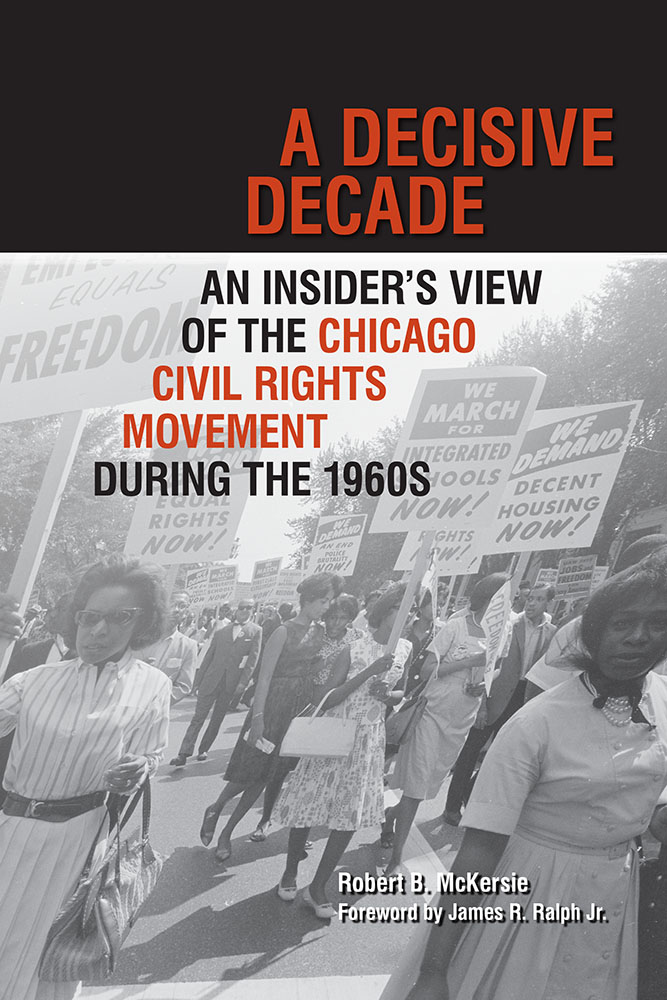
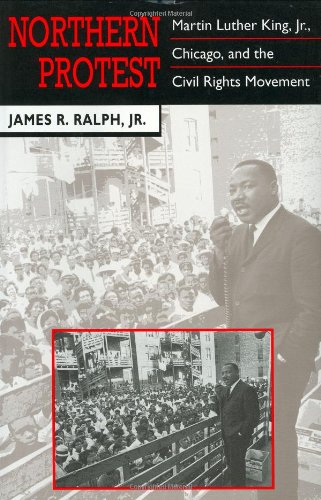
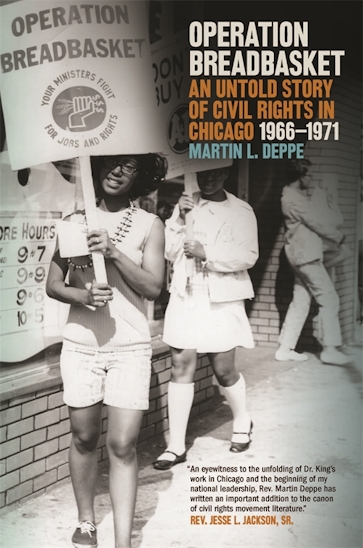
In the Chicago Freedom Movement, the SCLC and Martin Luther King Jr. worked alongside Chicago-based organizations to advocate for fair housing by using nonviolent direct action similar to that which activists used in the South. In A Decisive Decade, author Robert McKersky tells the history of the Chicago Freedom Movement through his own experiences as an activist in the movement. Northern Protest, by James Ralph, addresses the legacy of the Chicago Freedom Movement. One of those legacies is Operation Breadbasket. Led by Jesse Jackson, Operation Breadbasket’s original goal was to support Black-owned businesses. It ultimately lay the foundation for Jackson’s Rainbow/PUSH coalition. Finally, The Chicago Freedom Movement focuses on the lasting effects of the movement by using oral histories.

book cover: A Decisive Decade
book cover: Northern Protest
Operation Breadbasket book cover
Chicago Freedom Movement book cover

Harold Washington

The law school will be screening Punch 9 For Harold Washington on Thursday, Jan. 23. You can register to attend the screening at this link.

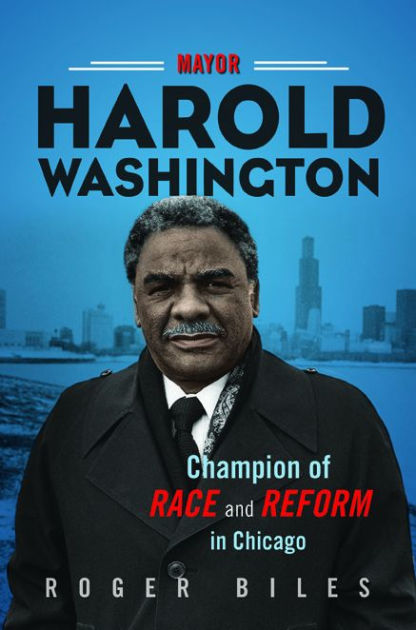
Mayor Harold Washington: Champion of Race and Reform in Chicago book cover
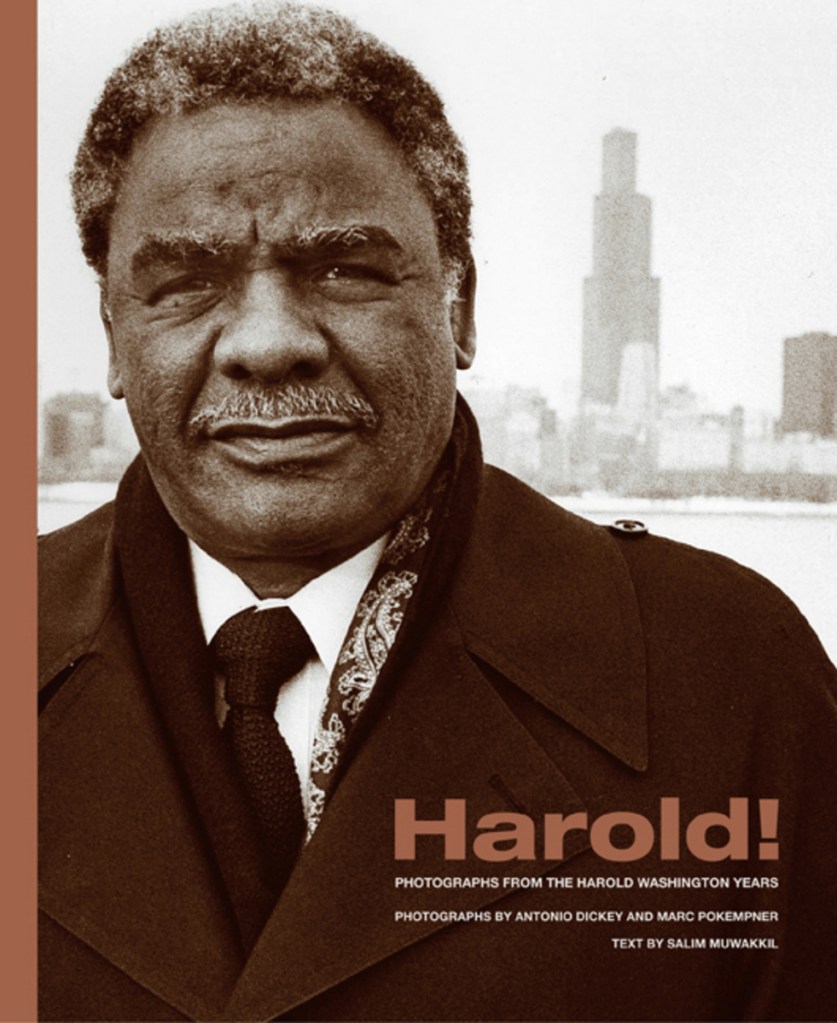
Harold! cover

If you want to learn more about Harold Washington, the library has several biographies, including Mayor Harold Washington: Champion of Race and Reform in Chicago by Roger Biles. Additionally, Harold!, edited by Salim Mukkawil has photos from Harold Washington’s campaign and terms as mayor.

Fire on the Prairie book cover
The Multiracial Promise book cover

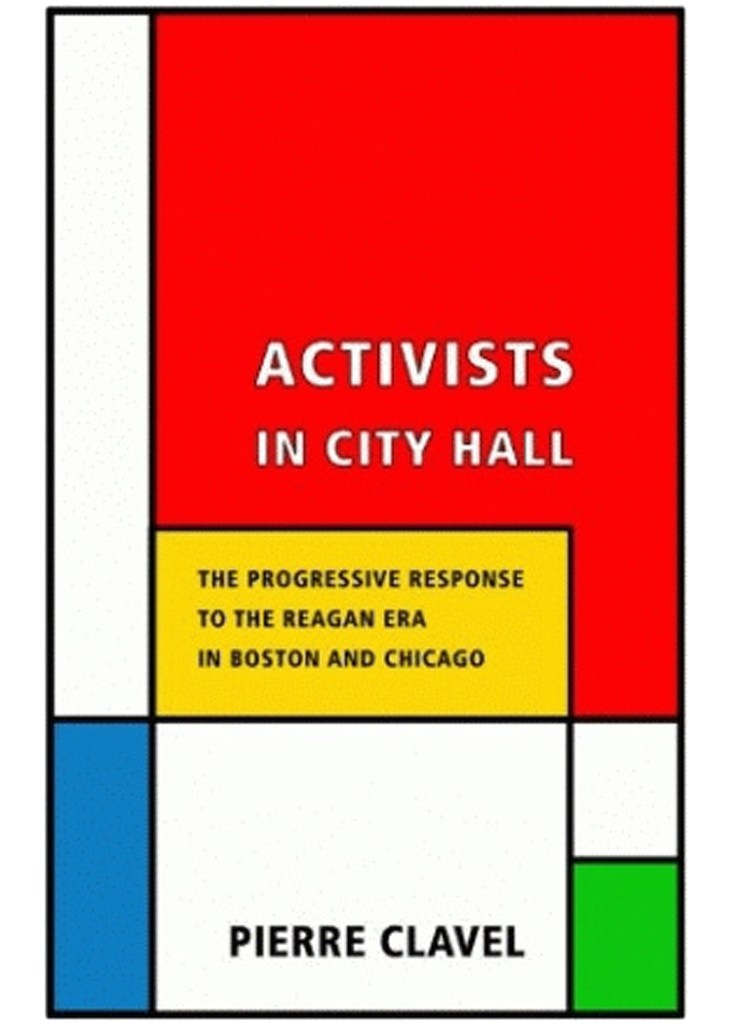
Activists in City Hall by Pierre Clavel, Fire on the Prairie by Gary Rivlin, and The Multiracial Promise are about the broader context and legacy of the Harold Washington campaign.

You can find more library resources about Harold Washington at this link.

Posted in Reading List

Featured Book: Braiding Sweetgrass

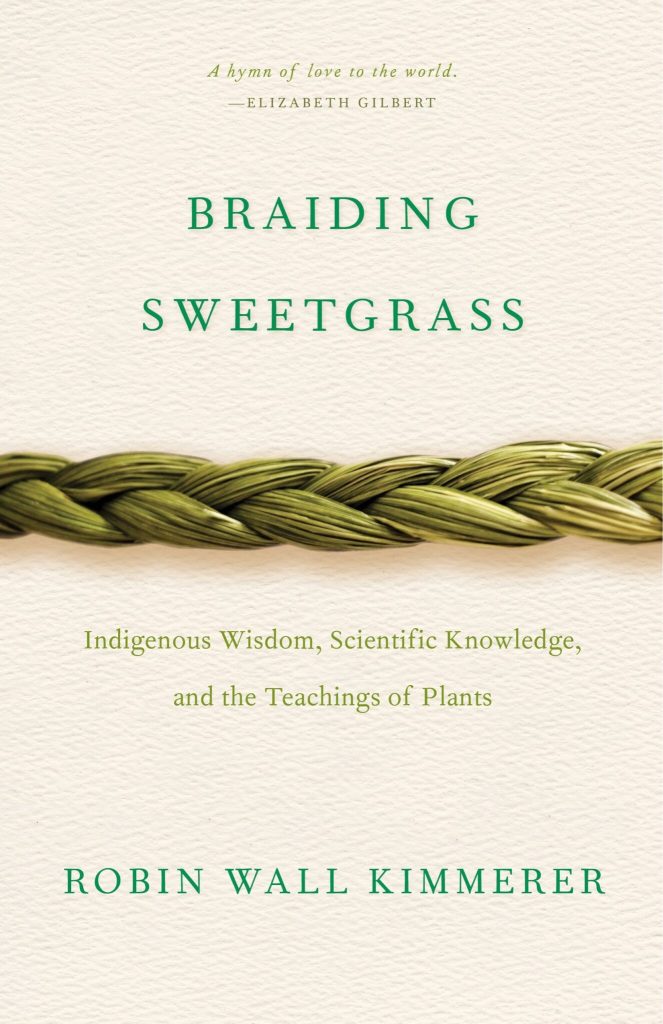
The featured book for November, 2024, Native American and Indigenous Heritage Month, is Braiding Sweetgrass by Robin Wall Kimmerer.

cover of Braiding Sweetgrass

“As a botanist, Robin Wall Kimmerer has been trained to ask questions of nature with the tools of science. As a member of the Citizen Potawatomi Nation, she embraces the notion that plants and animals are our oldest teachers. In Braiding Sweetgrass, Kimmerer brings these two lenses of knowledge together to take us on “a journey that is every bit as mythic as it is scientific, as sacred as it is historical, as clever as it is wise” (Elizabeth Gilbert).

Drawing on her life as an indigenous scientist, a mother, and a woman, Kimmerer shows how other living beings—asters and goldenrod, strawberries and squash, salamanders, algae, and sweetgrass—offer us gifts and lessons, even if we’ve forgotten how to hear their voices. In a rich braid of reflections that range from the creation of Turtle Island to the forces that threaten its flourishing today, she circles toward a central argument: that the awakening of a wider ecological consciousness requires the acknowledgment and celebration of our reciprocal relationship with the rest of the living world. For only when we can hear the languages of other beings will we be capable of understanding the generosity of the earth, and learn to give our own gifts in return.” (from the publisher)

Follow this link for more information on activities around Northwestern’s recognized Heritage Months

Posted in Resource Spotlight

Chicago History Reading List

The reading list for November, 2024 highlights Chicago history.

If you’re interested in exploring Chicago, check out the Activities in Chicago section of the library’s law school survival guide for student recommendations. The Chicago History Museum has fantastic exhibits and programming, and regular free admission days, including November 11 and 20.

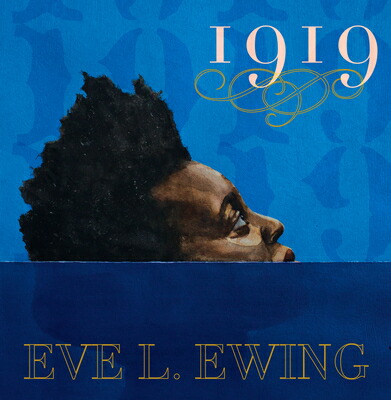
Featured book: 1919 by Eve Ewing.

Cover of 1919

“The Chicago Race Riot of 1919, the most intense of the riots that comprised the “Red Summer” of violence across the nation’s cities, has shaped the last century but is unfamiliar or altogether unknown to many people today. In 1919, her second collection of poems, Eve L. Ewing explores the story of this event—which lasted eight days and resulted in thirty-eight deaths and almost five hundred injuries— through poems recounting the stories of everyday people trying to survive and thrive in the city. Ewing uses speculative and Afrofuturist lenses to recast history, illuminating the thin line between the past and the present.” (from the publisher)

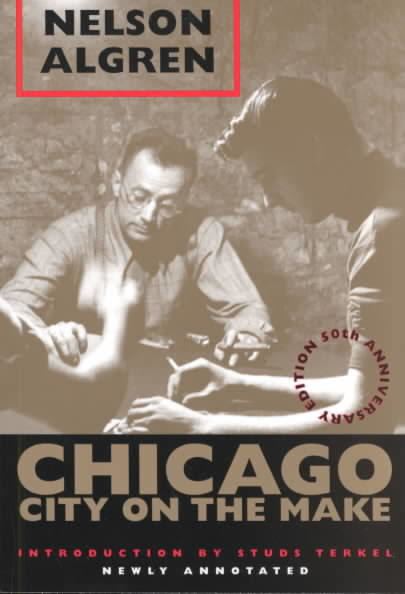
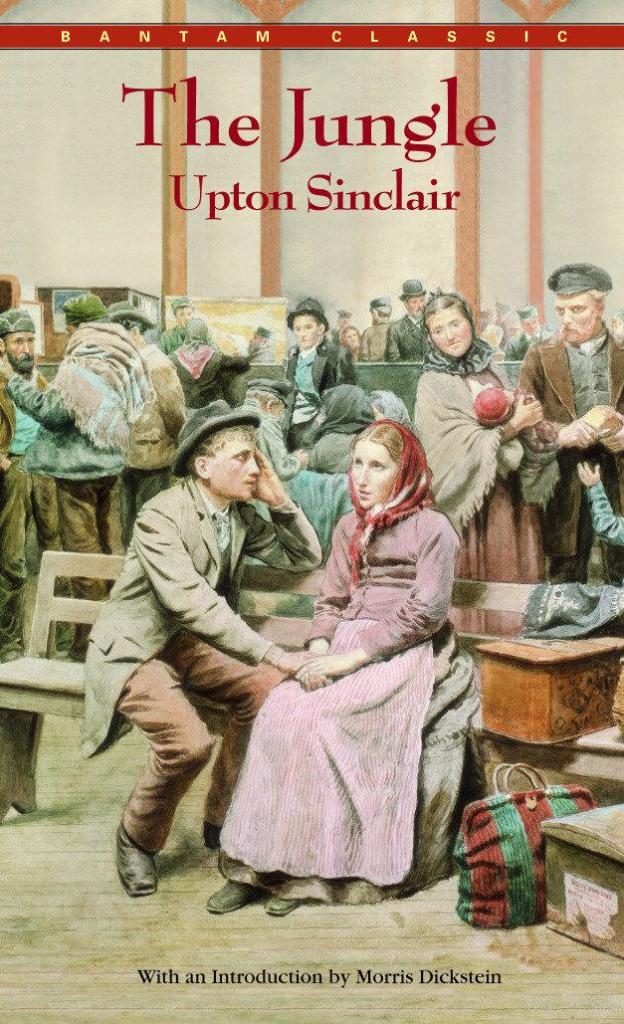
There are some classic books about Chicago, including Nelson Algren’s book-length prose poem Chicago: City on the Make, Studs Terkel’s oral history Division Street: America, an oral history, The Jungle, a novel about the immigrant experience in the meatpacking industry in the early 1900s.

cover of Chicago: City on the Make
cover of Division Street: America
cover of The Jungle

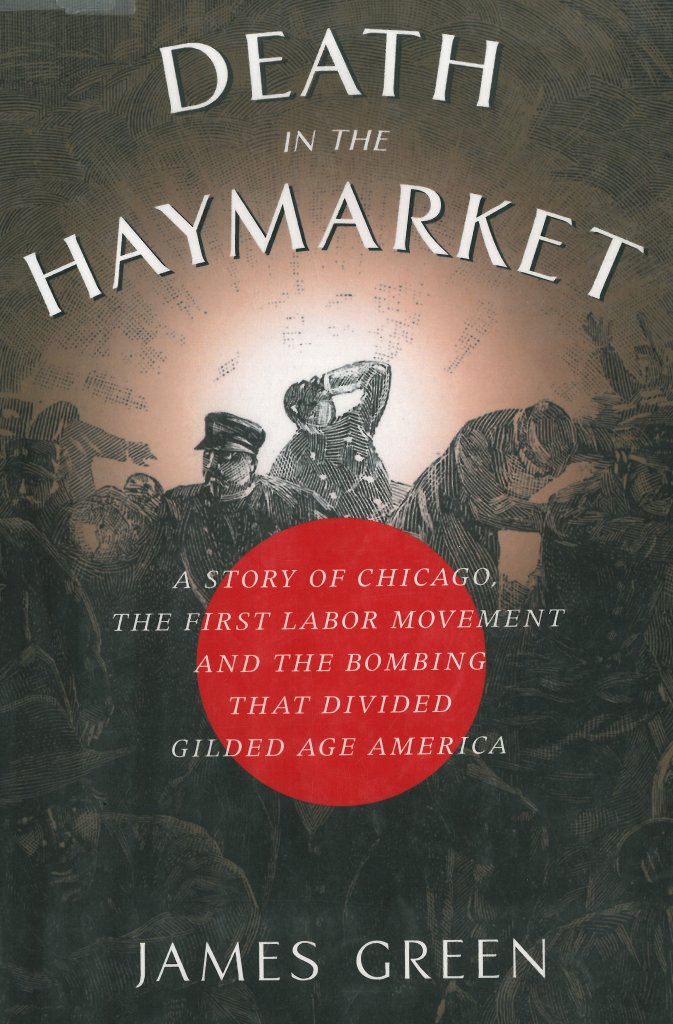
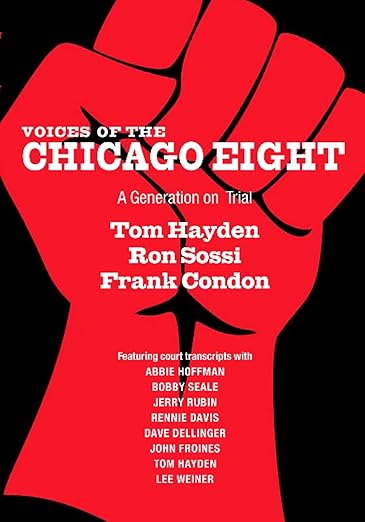
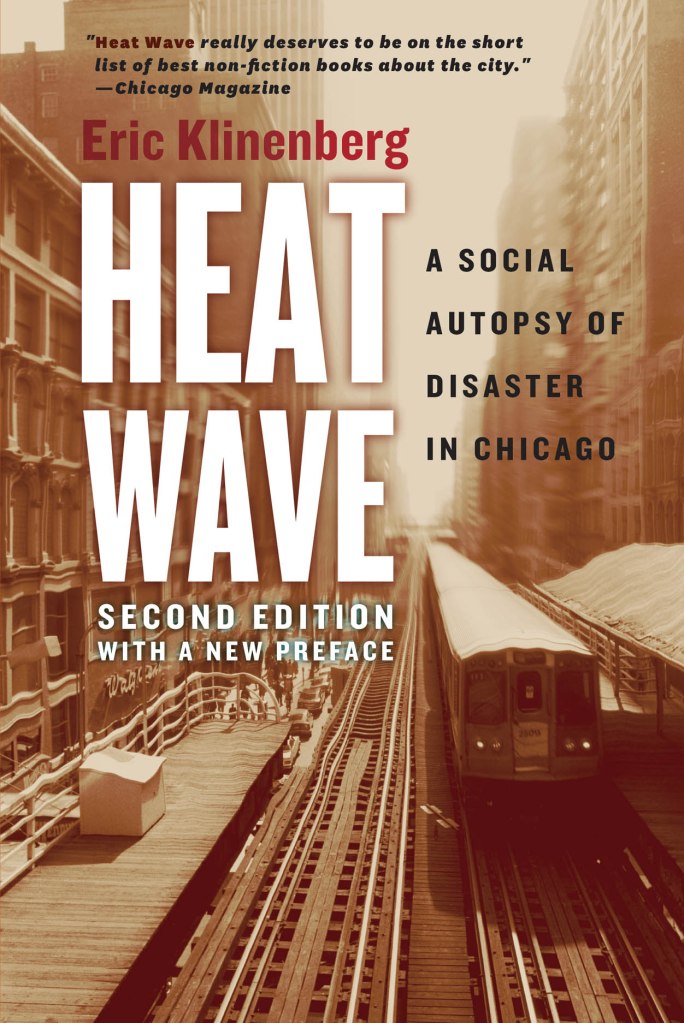
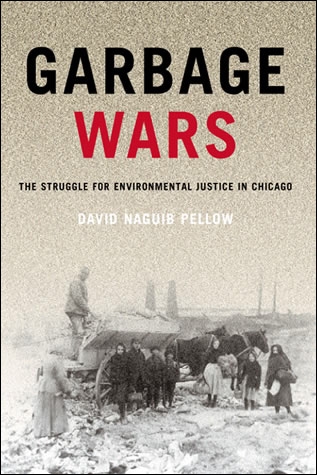
The library also has books about specific parts of Chicago history, from the Great Chicago Fire, the labor movement and Haymarket Square, to the 1968 Democratic convention and trial of the Chicago Eight (or seven, after the trial against Bobby Seale was declared a mistrial), the 1995 heat wave, and environmental justice.

cover of The Burning of the World
cover of Death in the Haymarket
cover of Voices of the Chicago Eight
Cover of Heat Wave

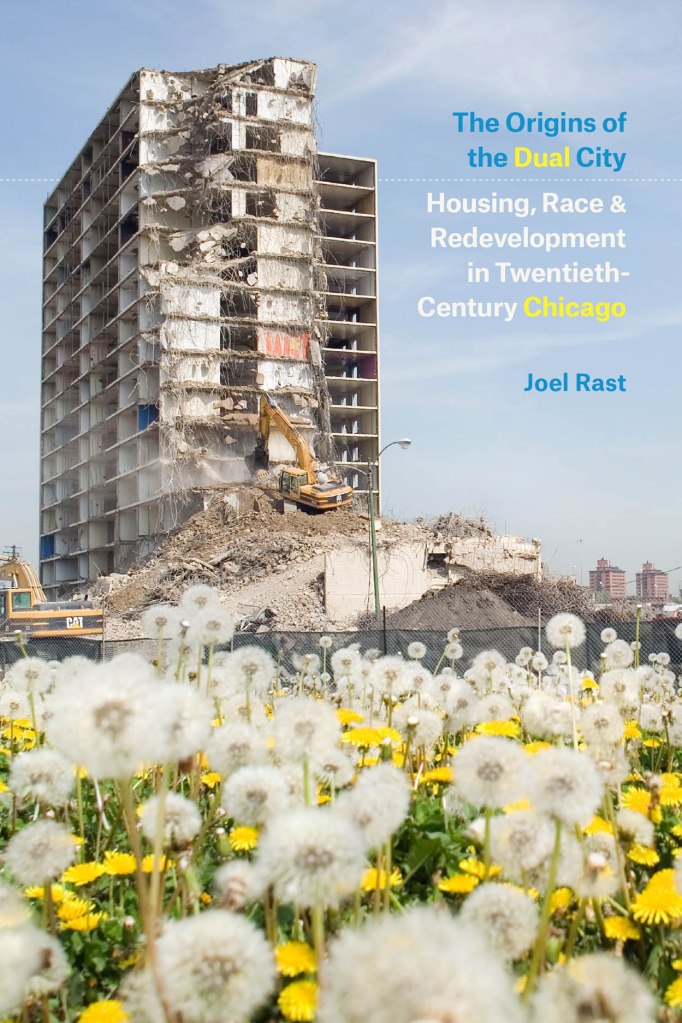
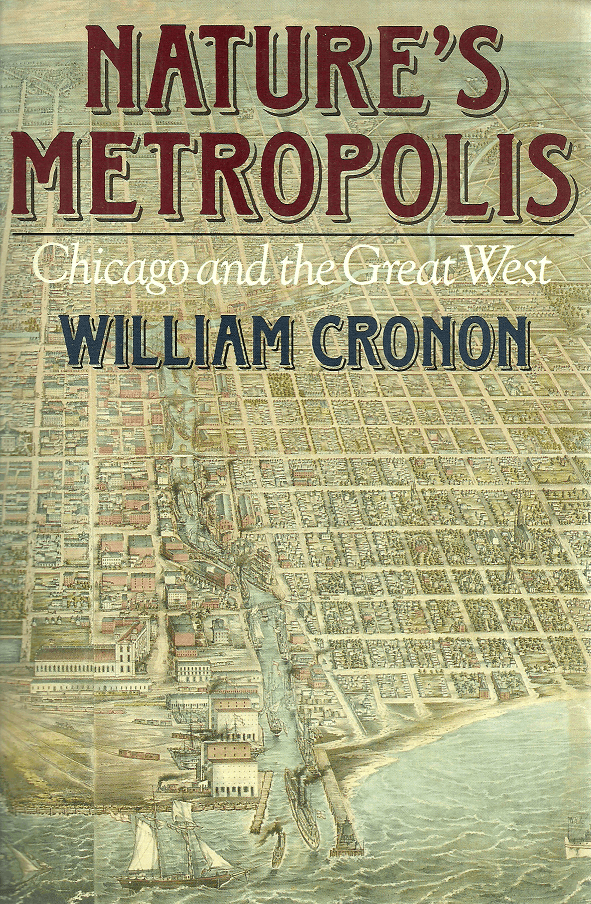
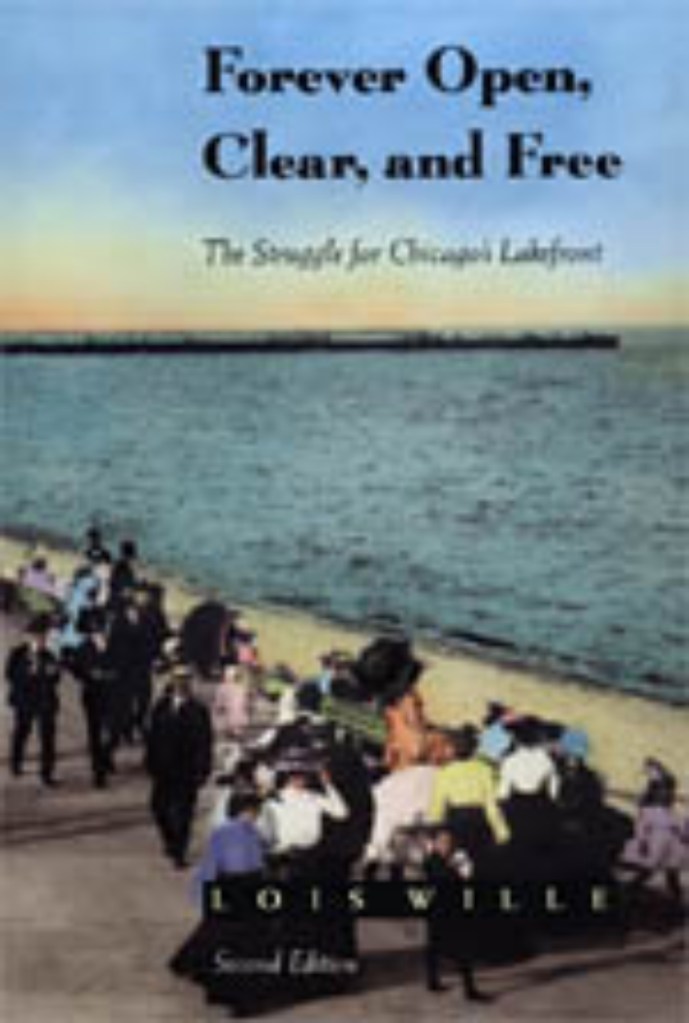
You can learn about Chicago’s public resources. Ghosts in the Schoolyard discusses school closure in Chicago within the context of systemic racism and inequality in Chicago schools. The Origins of the Dual City and High Rise Stories address public housing. The library has two older books about the environmental history: Nature’s Metropolis and Forever Open, Clear, and Free.

cover of Ghosts in the Schoolyard
Origins of the Dual City cover
High Rise Stories cover
Nature's Metropolis cover

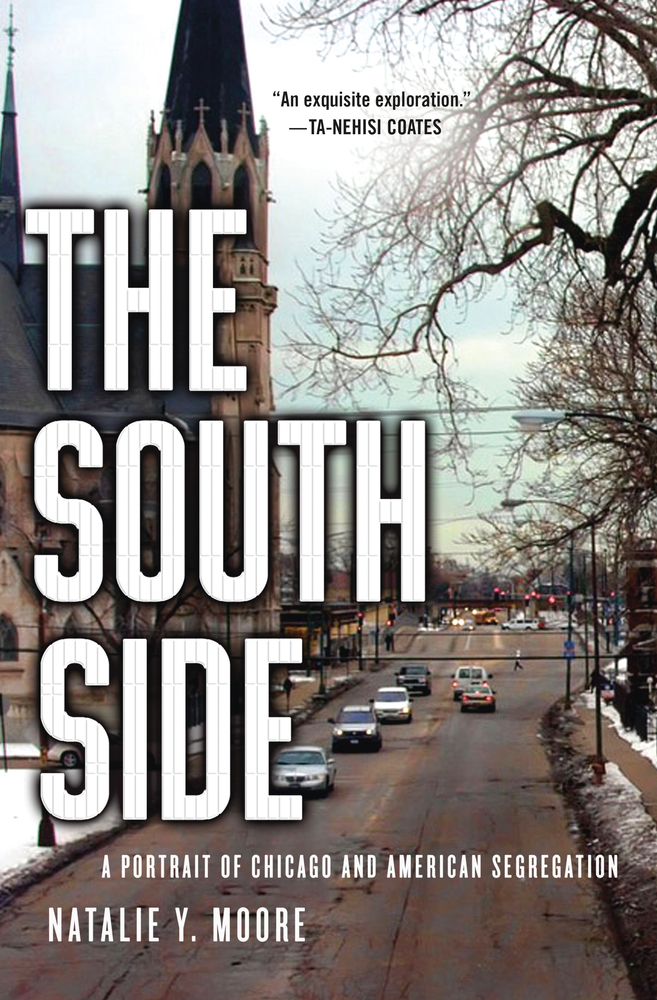
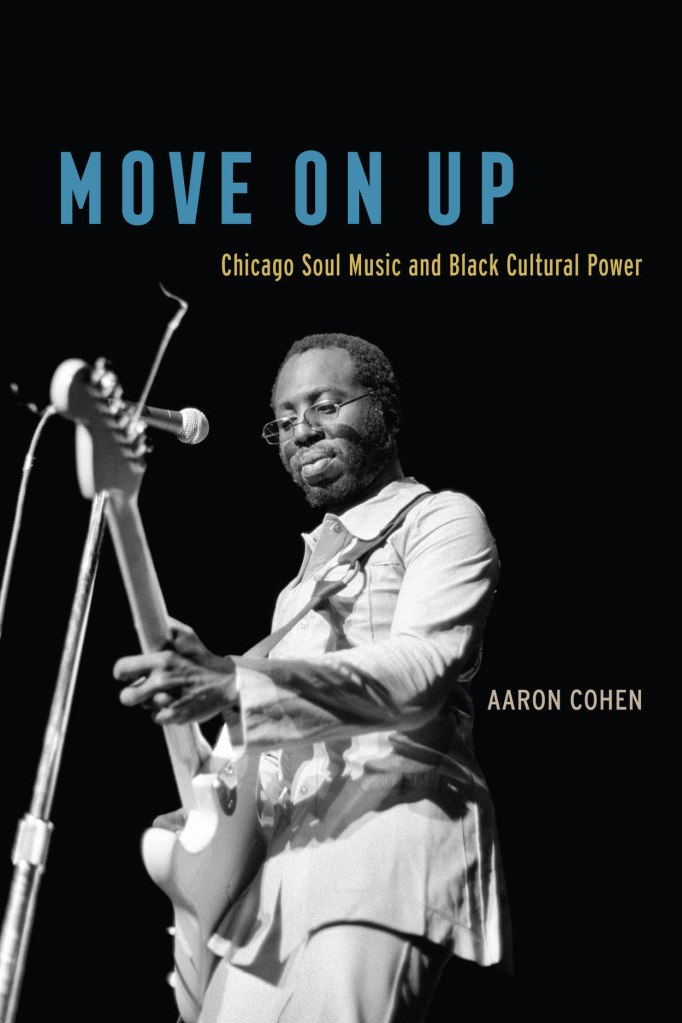
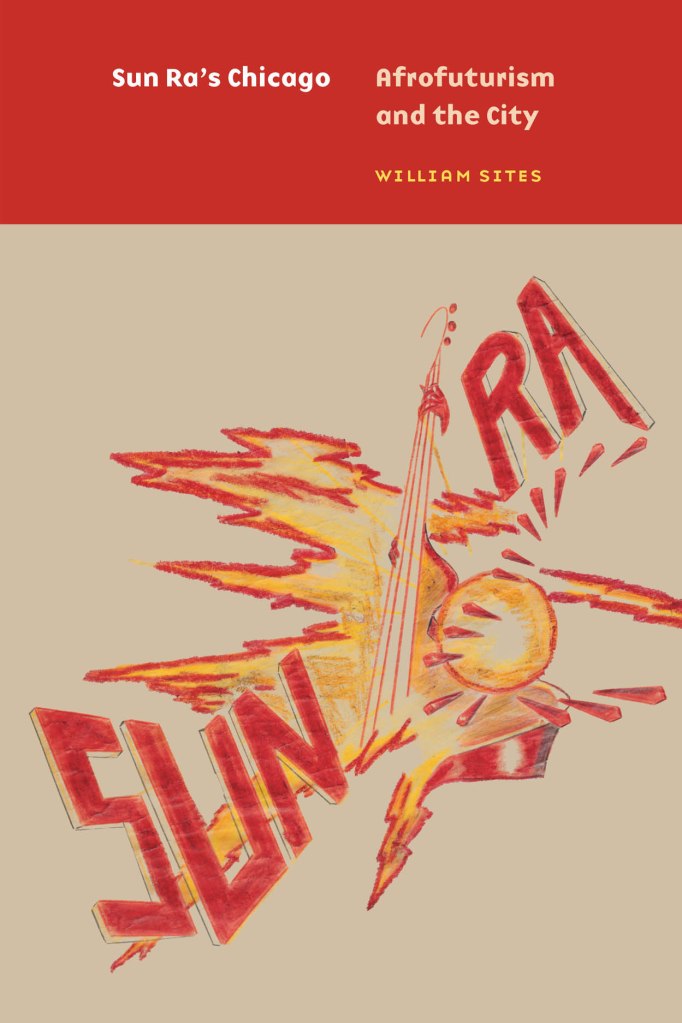
Learn about African American history with The Defender, which tells the story of Chicago’s Black newspaper founded in 1905. The South Side is about segregation and also the author’s love for the South Side neighborhood where she grew up. You can also read about how Chicago relates to music in Move On Up, about soul music and Sun Ra’s Chicago, about music and Afrofuturism.

cover of The Defender
cover of The South Side
cover of Move On Up
cover of Sun Ra's Chicago

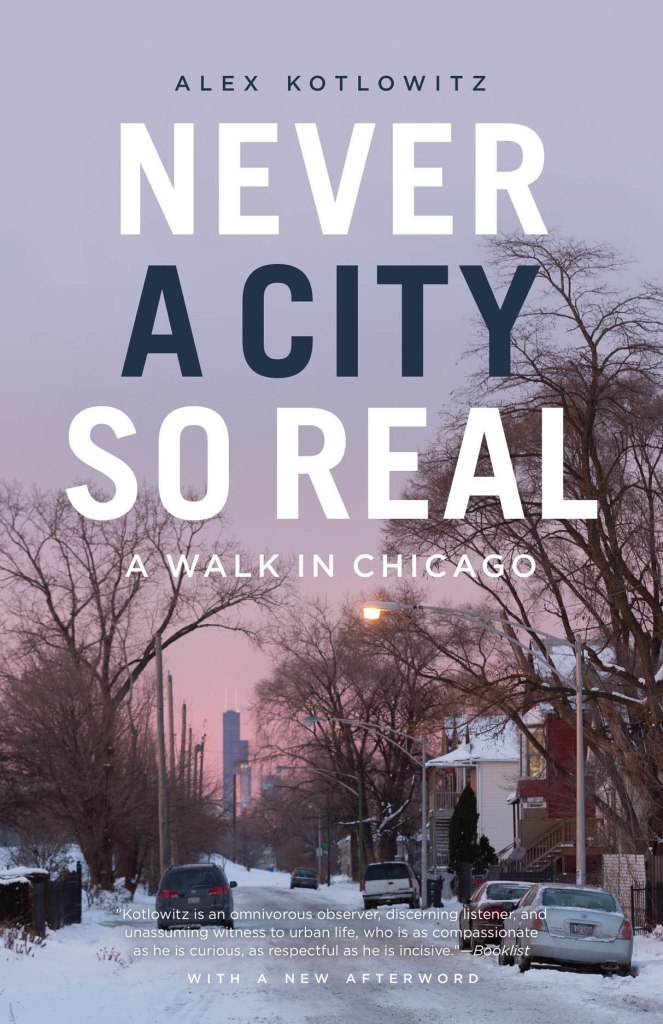
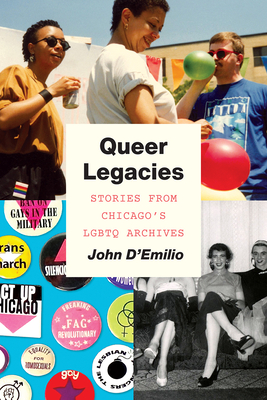
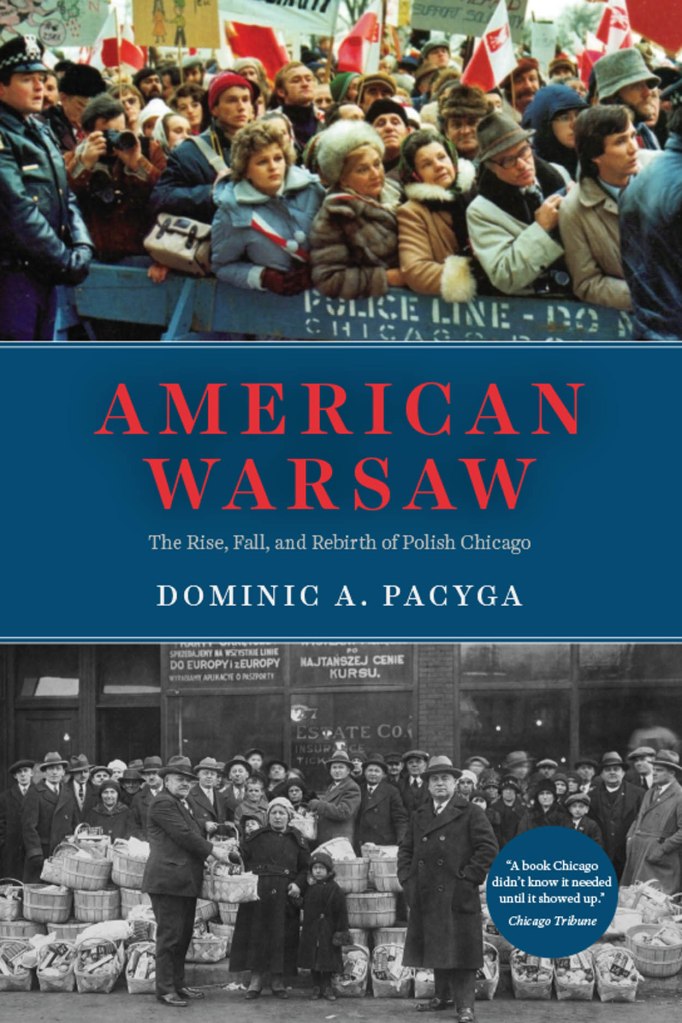
Finally, you can explore other neighborhoods and communities. In Never a City So Real, journalist Alex Kotlowitz created a short tour of Chicago through profiles of people whose stories might otherwise not be told. American Warsaw profiles Chicago’s Polish community. Queer Legacies shares stories from the LGBTQ Library/Archives. Here’s the Deal discusses urban planning through the story of one block.

Never a City So Real book cover
American Warsaw cover
Queer Legacies cover

Posted in Reading List

Voter Information – Election 2024

Election day is November 5, 2024. This blog post is focusing on registering and voting in Illinois and how to learn about candidates for Chicago school board and judicial elections. Our goal is to give you resources to research candidates. The library does not endorse specific candidates or take a position on any issues on the ballot.

If you are registered to vote in Illinois, early voting is already open at the Supersite, 191 N. Clark, and CBOE Offices on the 6th Floor of 69 W. Washington. On October 25 all early voting sites are open. You can vote at any early voting site in the city, and the Chicago Board of Elections lists site addresses.

The Illinois State Board of Elections gives information about how to check your registration and how to register. You can look up your voter registration, polling place, and district information. Although the registration deadline has passed, Illinois allows “grace period voting.” You can also use grace period voting if you have moved but not re-registered at your new address. This document includes information about how to register within the grace period, and there’s also a general guide on registering to vote in Illinois.

Although coverage of national elections is probably exhausting at this point, there are several elections specific to Chicago and Cook County that are worth paying attention to.

"I voted" sticker

Currently, the Chicago school board is appointed by the mayor. In November, Chicago will elect 10 of 21 school board members. The rest of the board will remain appointed by the mayor until November, 2026, when all members will be elected. Block Club published information about candidates. If you want a deeper dive, ChalkBeat has much more information about the school board election and Chicago Public Schools in general.

Judges are elected in Illinois. This November, voters can choose whether to retain judges. The Illinois State Bar Association rates judges based on information supplied by candidates, a background check by trained lawyers/investigators, and interviews of each candidate. The Chicago Council of Lawyers also interviews judicial candidates. Both organizations use a scale of Highly Qualified to Not Qualified. Injustice Watch publishes a Judicial Election Guide where you can learn about judicial candidates. You can create a personal voting guide to take into the polls with you. Injustice watch does not endorse candidates. It conducts extensive research on the judges and allows each judge to answer questions about themselves and their experience. Additionally, Block Club published an article about some of the controversies faced by several of the judges on the ballot.

Finally, there are three advisory measures on the ballot. As they are advisory only, they will not directly lead to any legislation or policy change. You can learn more about these specific ballot measures and ballot questions in general from this article by WTTW, Chicago’s Public Broadcasting Station.

Happy voting!

Posted in Holidays

Latinx/e Heritage Month 2024 Reading List

Hispanic Heritage Month, also known as Latinx/e Heritage Month, is an annual celebration observed in the United States from September 15th to October 15th. It is dedicated to recognizing and celebrating the rich cultural heritage, history, contributions, and achievements of Hispanic and Latinx Americans.

For Latinx/e Heritage Month this year, the library is highlighting poetry by Latinx/e authors. All of these books are available to check out. Click on the book covers to be directed to the library catalog.

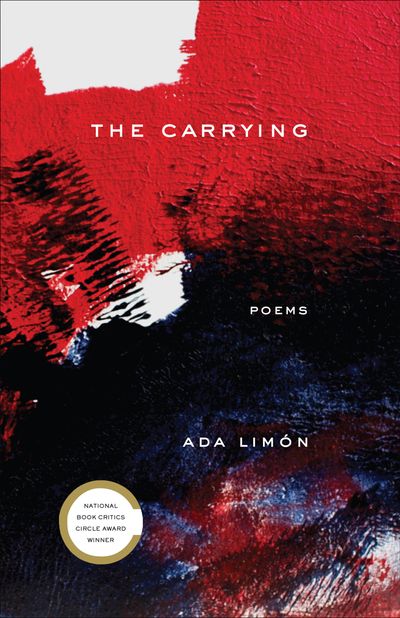
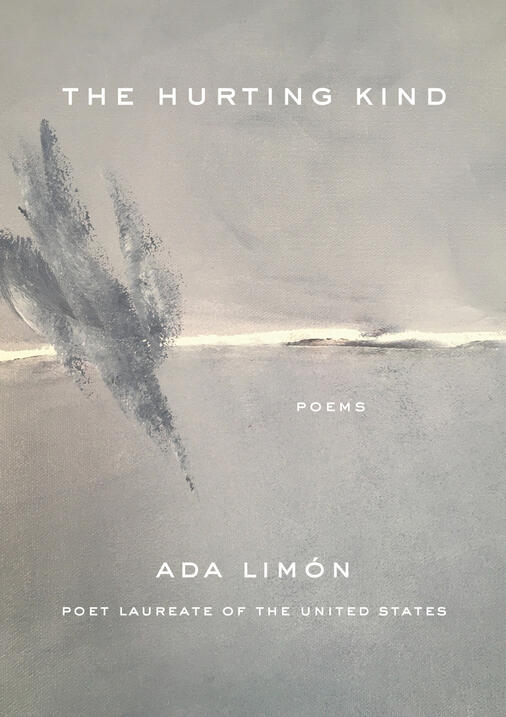
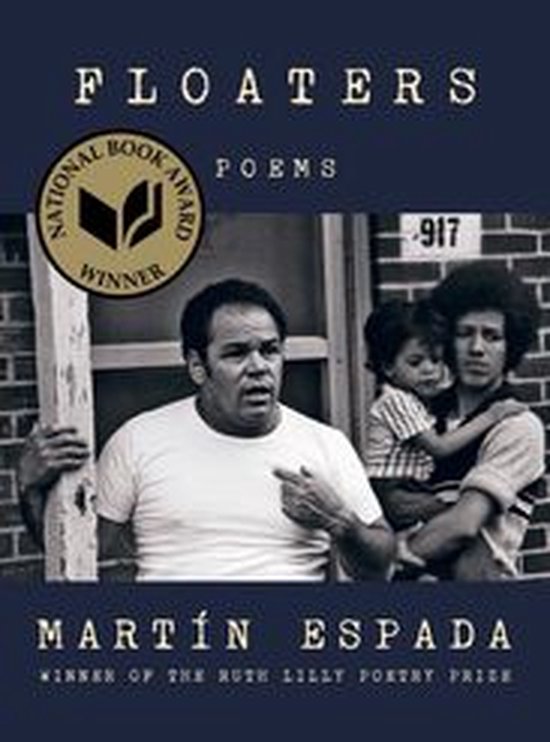
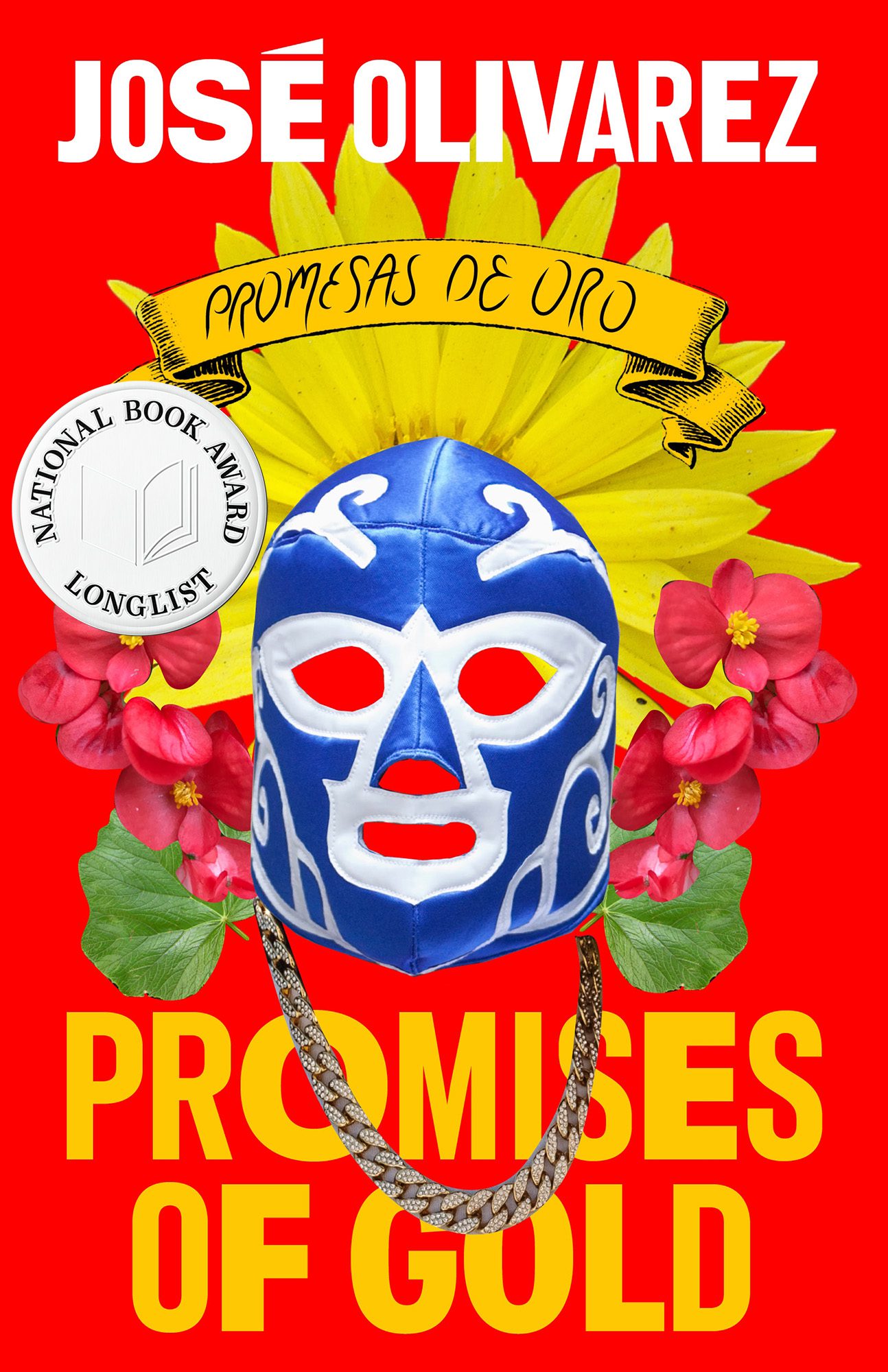
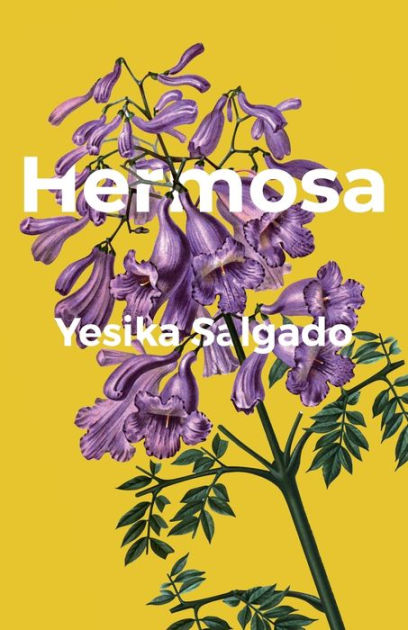
First, to highlight some of the most prominent Latinx/e poets. Ada Limón is the current Poet Laureate of the United States, Martín Espada’s book Floaters won the National Book Award in 2021, Promises of Gold by José Olivarez was nominated for the National Book Award in 2023, and Yesika Salgado is a National Poetry Slam finalist.

book cover of The Carrying by Ada Limón
book cover of The Hurting Kind by Ada Limón
cover of Floaters by Martín Espada
book cover of Promises of Gold by José Olivarez.
cover of Hermoa by Yesika Salgado

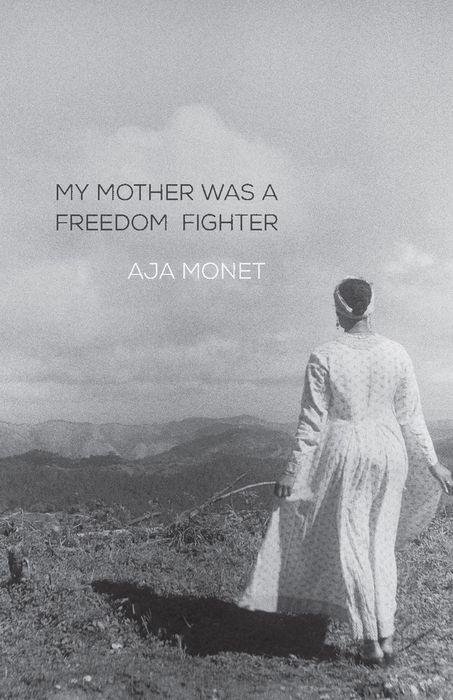
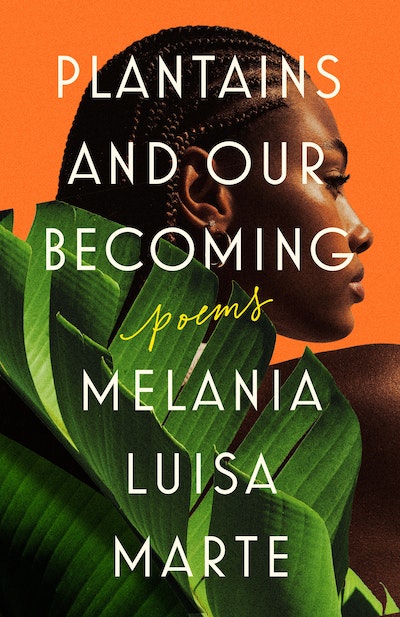
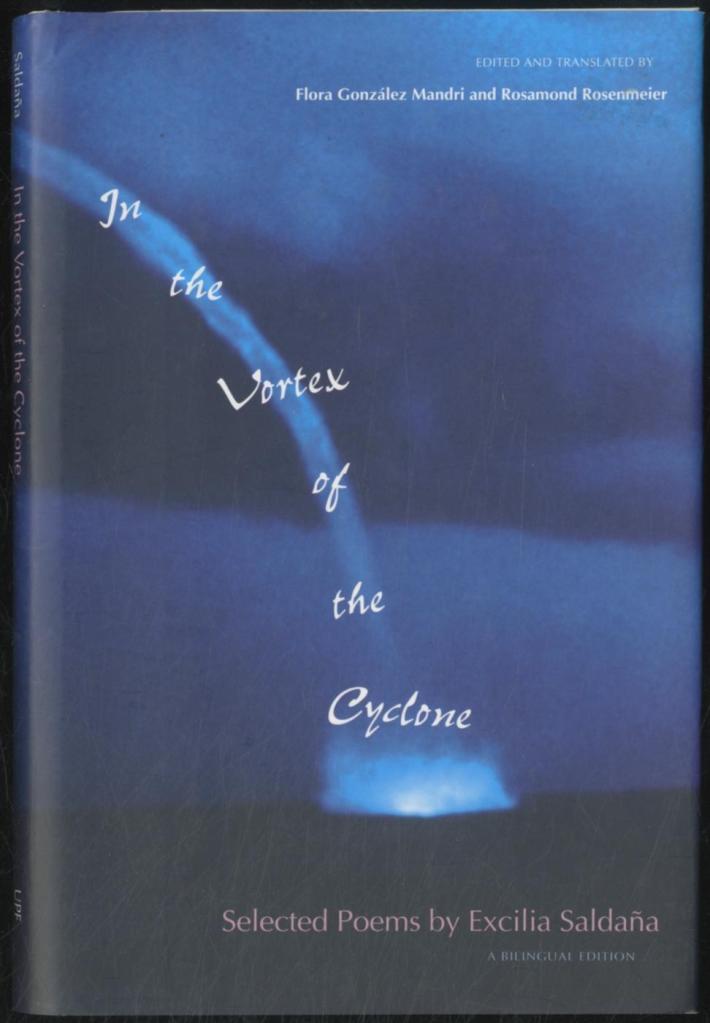
The library’s collection include authors that explore a range of Latinx/e identities. Collections by Rio Cortez, Aracelis Girmay, Aja Monet, Melania Luisa Marte, and Excilia Saldaña are from the perspective of an Afro-Latinx/e identity.

cover of Golden Ax by Rio Cortez
book cover of My Mother Was A Freedom Fighter by Aja Money
cover of Plantains and Our Becoming by Melania Luisa Marty
book cover of In the Vortex of the Cyclone by Excilia Saldaña.
cover of teeth by Arecelis Girmay

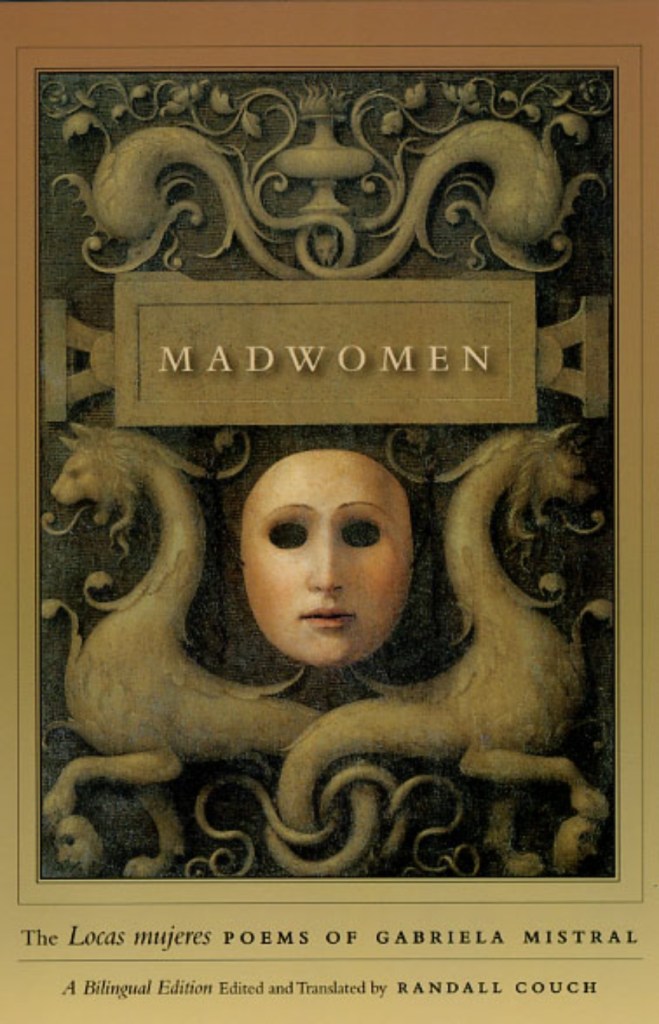
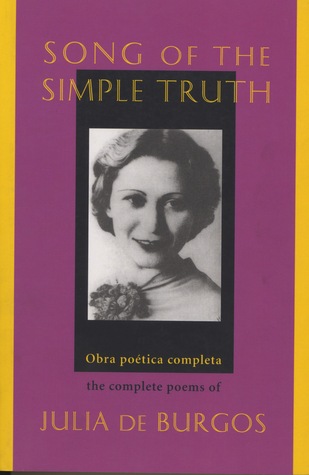
Looking back through history, Gabriela Mistral was the first Latin American author to win the Nobel Prize in poetry (1945). Alfonsina Storni began writing in the 1910s, and Julia de Burgos was published in the 1930s-50s.

book cover of Madwomen : the Locas mujeres poems of Gabriela Mistral
book cover of My heart flooded with water : selected poems by Alfonsina Storni
book cover of Song of the simple truth by Julia de Burgos

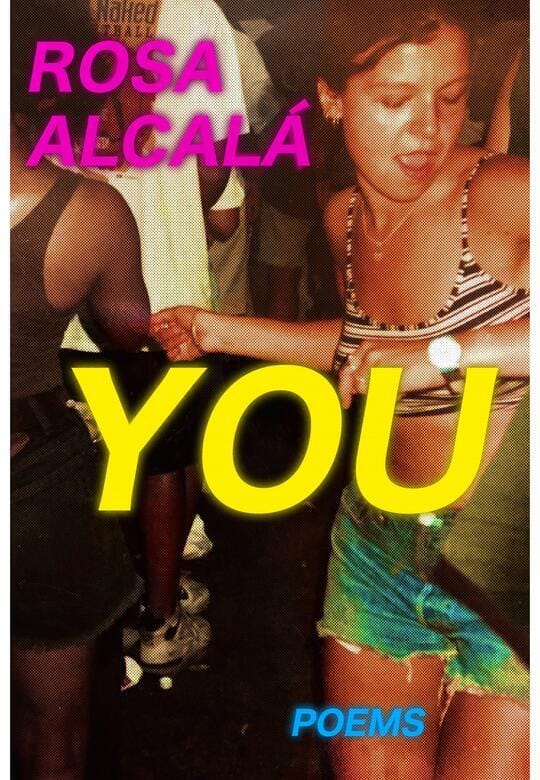
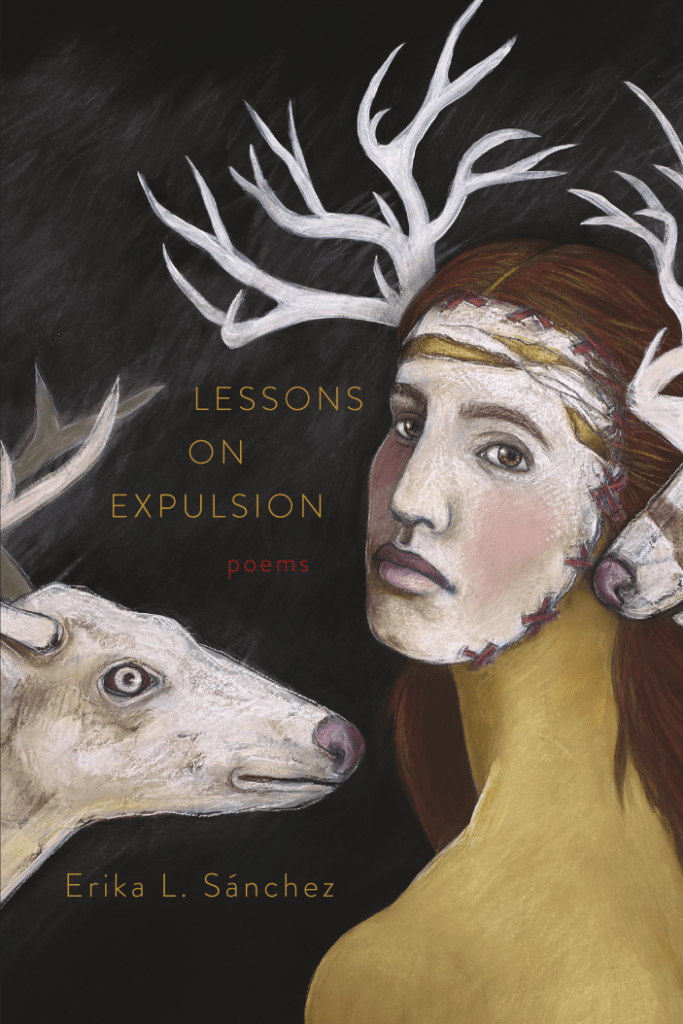
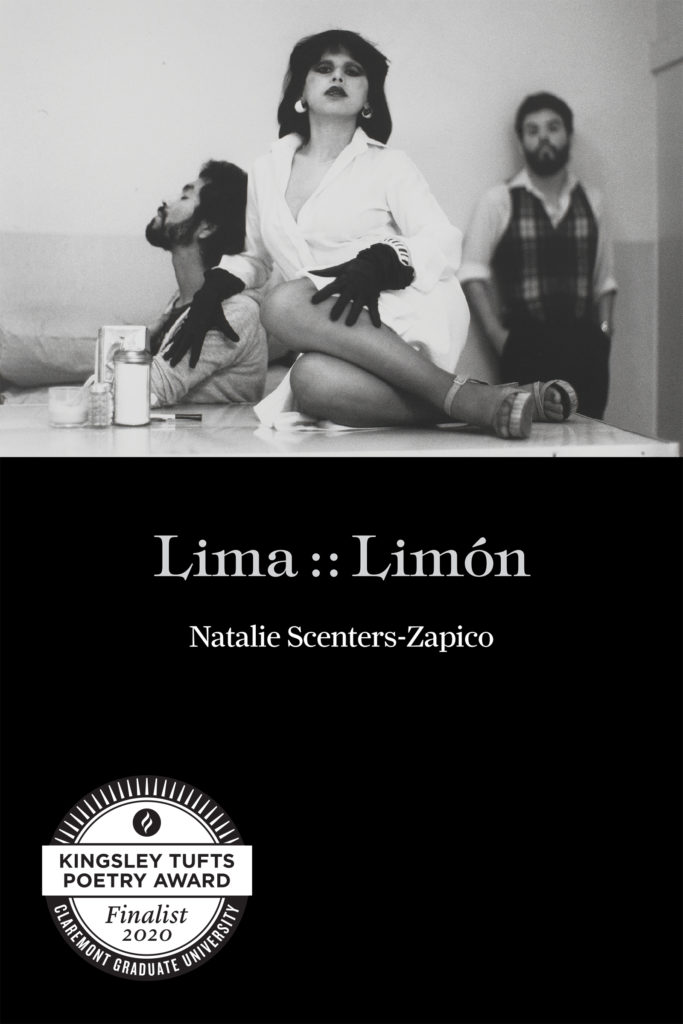
Rosa Alcalá, Erika Sánchez, and Natalie Scenters-Zapico use their poetry to address gender and gender-based violence.

cover of You by Rosa Alcalá
cover of Lessons on Expulsion by Erika Sánchez
cover of Lima : Limón by Natalie Scenters-Zapico

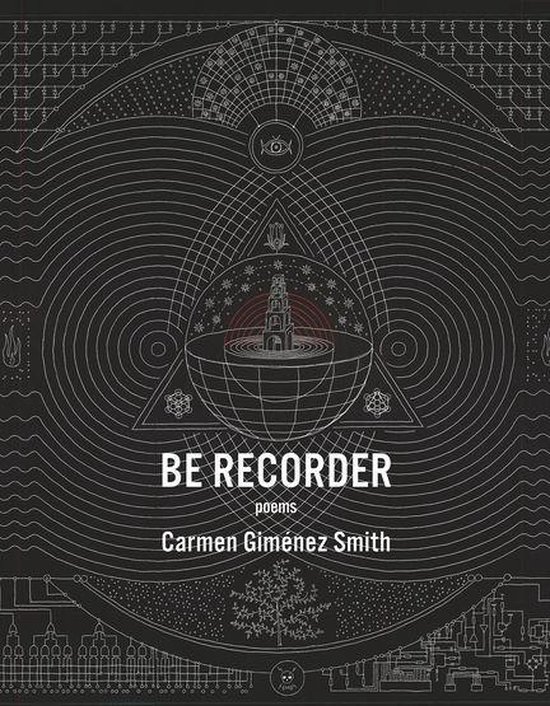
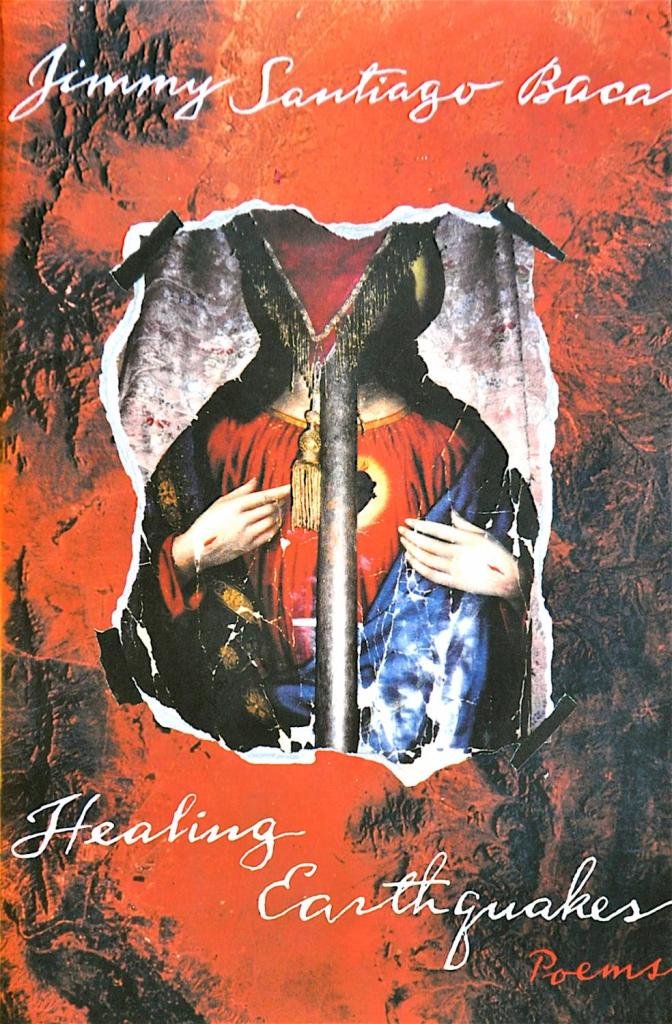
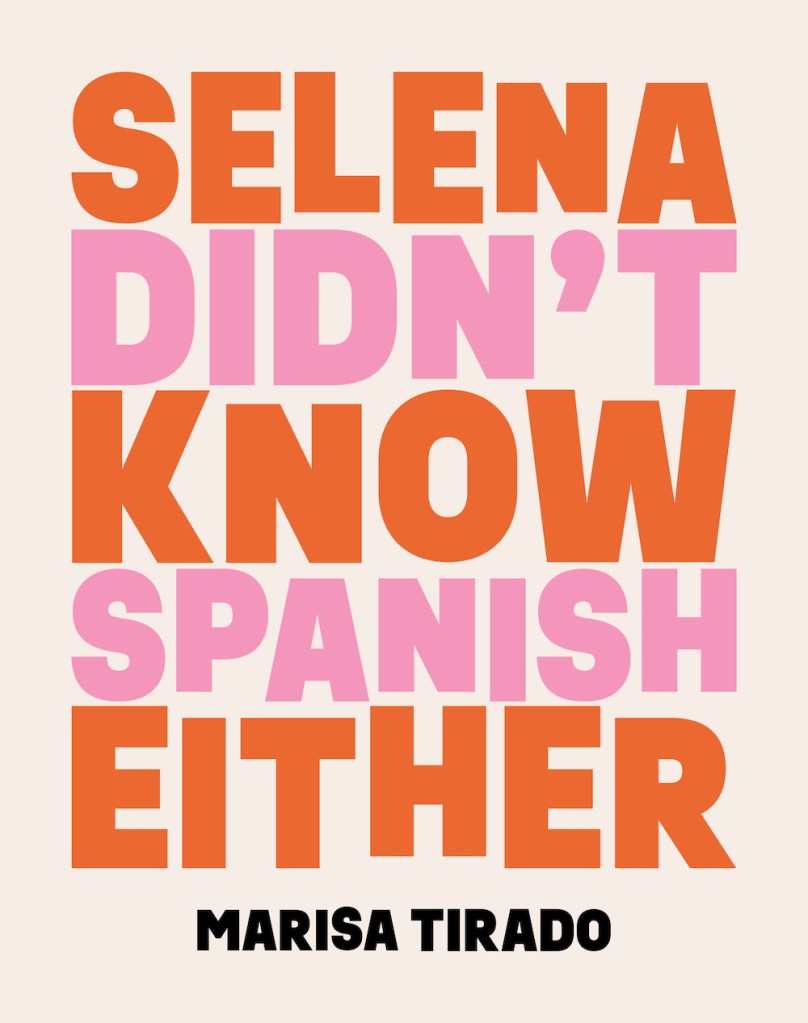
Other books from our collection:

cover of Be recorder by Carmen Giménez Smith
cover of Healing Earthquakes by Jimmy Santiago Baca
cover of Selena Didn't Know Spanish Either by Marisa Tirado
cover of Dulce by Marcello Hernandez Castillo

Posted in Reading List

Featured Book: Borderlands/La Frontera

Cover of "Borderlands/La Fontera"

The featured book for Latinx/e Heritage Month is Borderlands/La Frontera by Gloria Anzaldúa. It’s an absolute classic: beautifully written and addresses intersectionality long before the term was in the public discourse.

Rooted in Gloria Anzaldúa’s experience as a Chicana, a lesbian, an activist, and a writer, the groundbreaking essays and poems in this volume profoundly challenged how we think about identity. Borderlands/La Frontera remapped our understanding of what a “border” is, seeing it not as a simple divide between here and there, us and them, but as a psychic, social, and cultural terrain that we inhabit, and that inhabits all of us. This 20th-anniversary edition features new commentaries from prominent activists, artists, and teachers on the legacy of Anzaldúa’s visionary work. (from the publisher)

If it’s checked out of Northwestern’s library, Chicago Public Library still has many copies available.

Posted in Resource Spotlight

Celebrate Banned Books Week 2024!

Banned Books Week is an annual event that the American Library Association (ALA) organizes to celebrate the freedom to read. In 2024, Banned Books Week is Sept. 22-28.

You can celebrate Banned Books Week in the law school by stopping by the library’s Banned Books Week exhibit. We have pictures of twelve of the most challenged books on the wall and we want to know which ones the most law students have read! We also have the books available to check out if you want to revisit an old favorite or try something new.

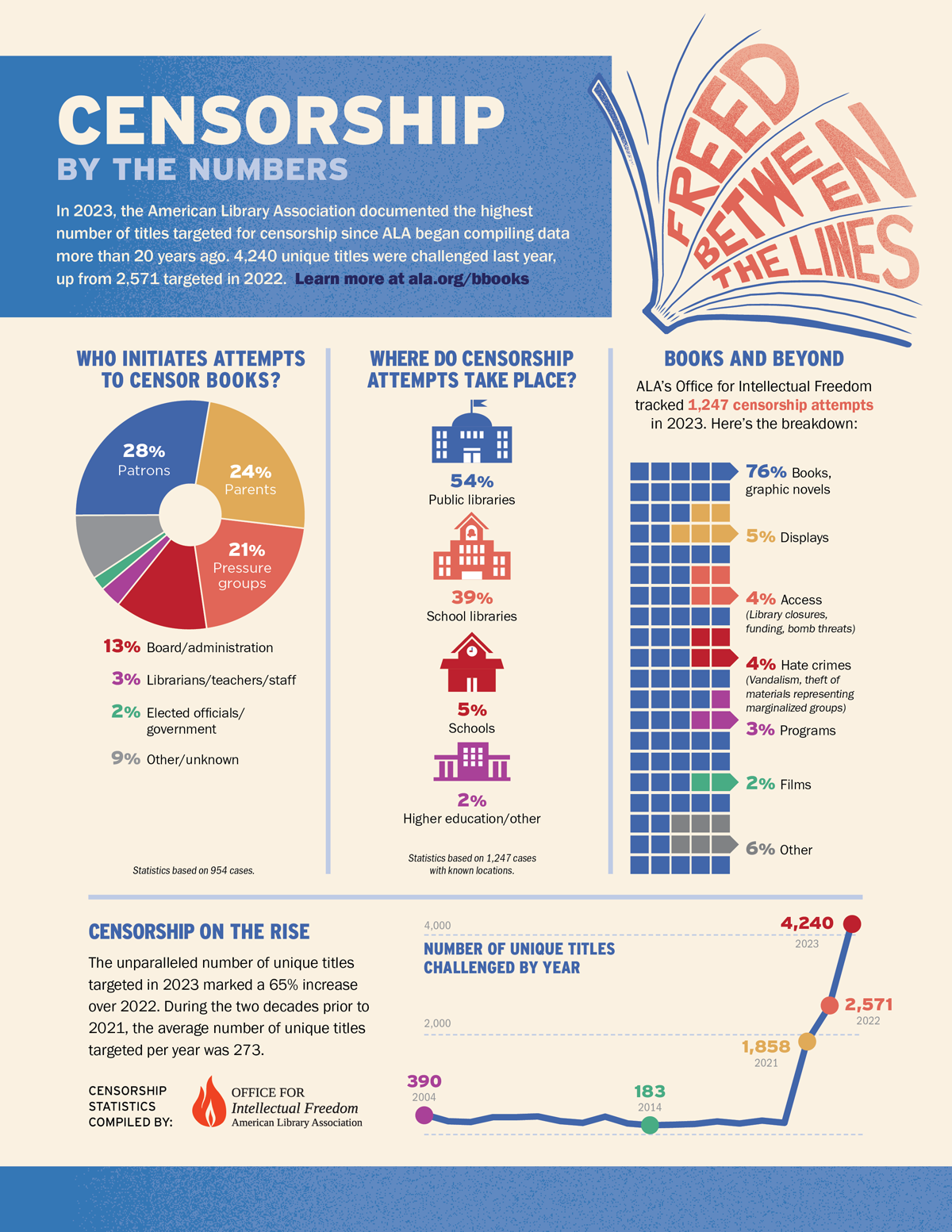
infographic on book clanneges in 2023

Let’s start with some vocabulary:

The American Library Association defines a book challenge as an attempt to remove or restrict materials, based upon the objections of a person or group. A banning is the actual removal of those materials.

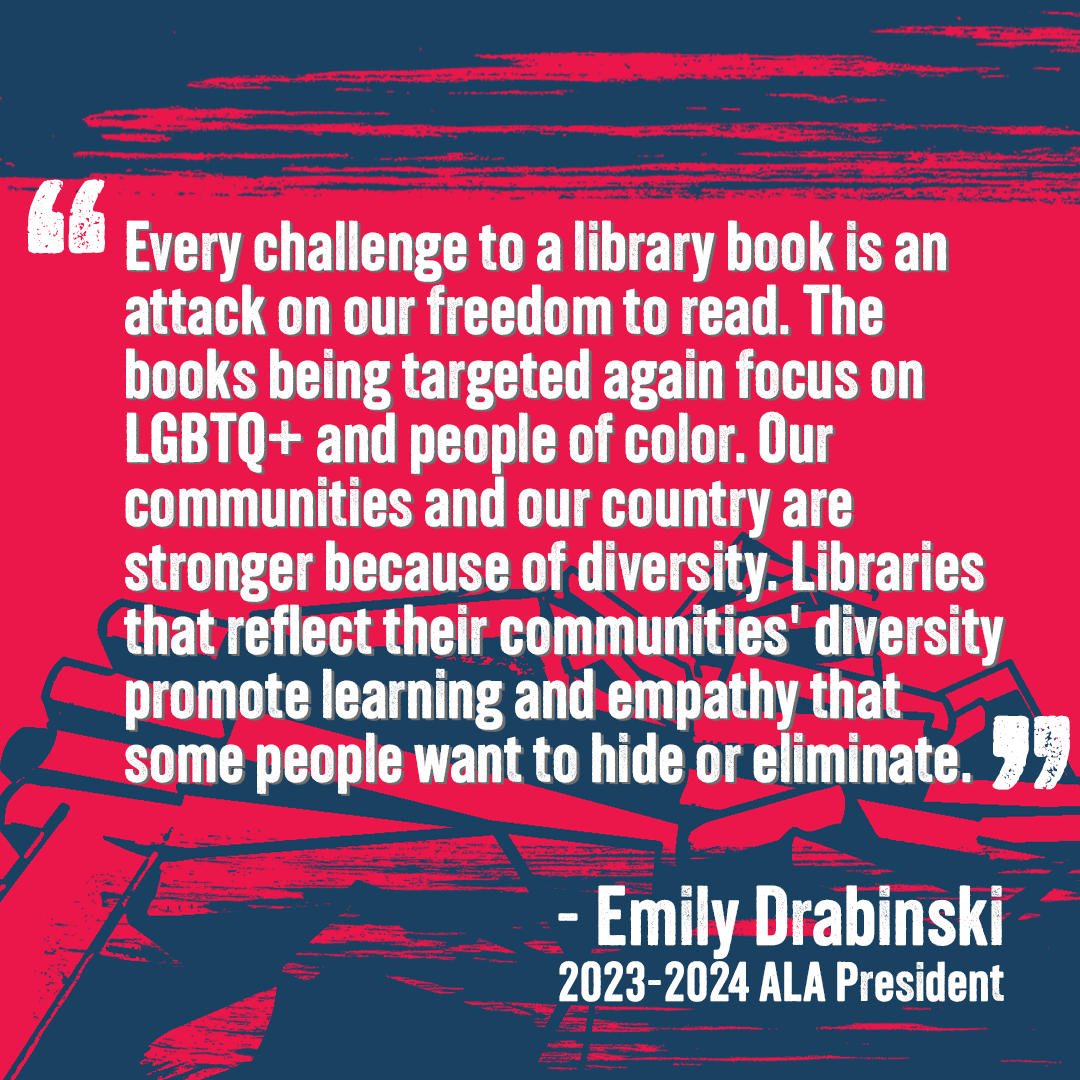
The number of book challenges has increased over ten times since 2004 – including a 65% increase of challenges in 2023 from 2022. You can see the list of the top 10 challenged books and investigate the top 10 challenged books beginning in 2001 on the ALA’s website. Of the top ten challenged books this year, seven were challenged for LGBTQIA+ content.

There are very few book challenges in higher education. Northwestern posts its policy for book challenges on the main library’s website.

In 2023, H.B. 2789 (P.A. 103) was signed into law. This act amended the Illinois Library System Act to say that in order to be eligible for state grants, libraries must adopt the ALA’s Library Bill of Rights – specifically, that “materials should not be proscribed or removed because of partisan or doctrinal disapproval.” Illinois has, in other words, banned book bans. (For more information you can check out this article in the New York Times or short audio piece on NPR.)

Illinois’ law is the first in the country, but is not unique. California already makes it illegal to ban books in schools that are about racial or gender identities, and may pass its own Freedom to Read Act this month. Maryland, Minnesota, and Vermont already passed bills this year. Many other states have proposed bills that are still in the legislative process, including Massachusetts, and New Jersey, and other states such as Kansas, New Mexico, New York, and Utah proposed books in the previous legislative session, only to have them die in committee.

If you’re interested in exploring the academic literature about book challenges and states’ efforts to curtail book challenges, here are some suggestions:

Posted in Events, Exhibits

Featured Book: The Mindful Law Student

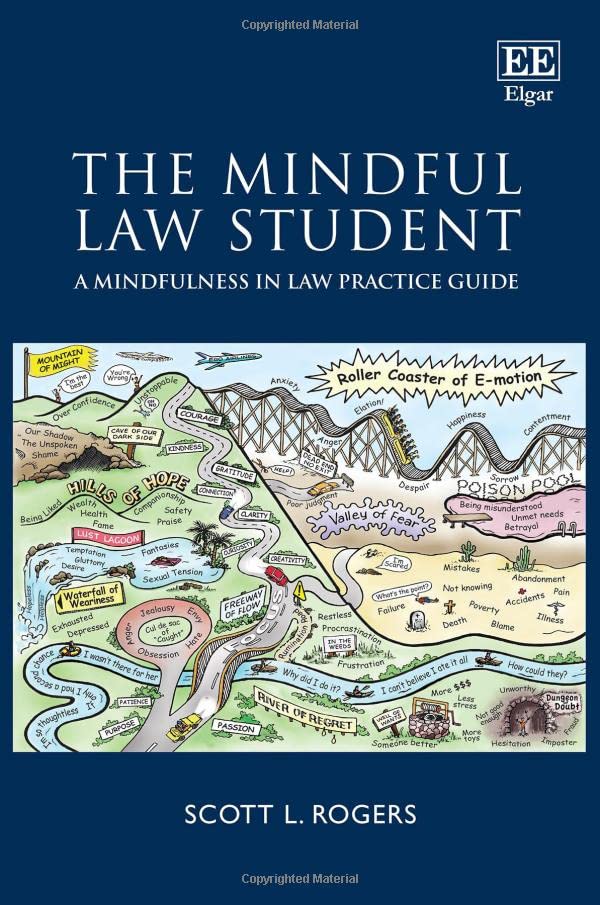
Book cover of The Mindful Law Student

“The Mindful Law Student is an innovative guide to learning about mindfulness and integrating mindfulness practices into the law school experience. Through the use of metaphor, insight, mindfulness practices, and relaxation and self-care exercises, students are reminded of the tools they have long carried with them to navigate the exciting and challenging environment of law school and the practice of law.” (from the publisher)

The book’s website includes links to mindfulness practices and learning materials connected to the book.

This book is on reserve in the library.

Posted in Resource Spotlight

Welcome (back) to Law School Reading List

Welcome back to the 2Ls and 3Ls, and we’re looking forward to meeting the new 1Ls, LLM, and MSL students! We hope everyone had a great summer. This reading list includes books about starting law school and going into a legal career. You can find more information in the library’s Law School Survival guide.

Book cover of Learning Outside the Box

Learning Outside the Box : A Handbook for Law Students Who Learn Differently

Leah Christensen

This book focuses on the reading, studying and testing strategies that are particularly helpful to law students who learn differently. It is a learning guide based upon empirical research and statistical correlations between learning strategies and law school GPA’s. This book will also show you what the most successful law students do by using interviews and examples from actual law students. (from the publisher)

Book cover of 24 Hours with 24 Lawyers

24 Hours with 24 Lawyers : Profiles of Traditional and Non-Traditional Careers

Jasper Kim

Spend twenty-four hours with twenty-four lawyers through this innovative book. Whether you want to be a full-time corporate lawyer, work as a legal consultant while pursuing your music career, or anything in between, this book gives you a unique ‘all-access pass’ into the real-world, real-time personal and professional lives of twenty-four law school graduates. These working professionals each present you with a ‘profile’ chronicling a typical twenty-four-hour day in their traditional and non-traditional careers. (from the publisher)

Cover of The Guide to Belonging in Law School

The Guide to Belonging in Law School

Russell McClain

The Guide to Belonging in Law School accomplishes two discrete goals. First, it requires readers to engage in an authentic, rigorous, mini-law school semester involving reading, studying, exam preparation, and exam writing. Second, the book provides a foundation for students from marginalized groups to recognize and manage both subtle and explicit barriers that can impede their progress. (from the publisher)

Cover of Sh*t No One Tells You About Law School

Sh*t No One Tells You About Law School

Tanya Monestier

Sh*t No One Tells You About Law School offers law students an irreverent, fun, and honest compilation of advice culled from the author’s fifteen years of teaching experience. Think Jessica Pearson meets Carrie Bradshaw-shoe closet included! This book is a tell-it-like-it-is account of how students can successfully navigate the law school experience (minus the boring stuff). (from the publisher)

Cover of Beyond One L

Beyond One L : Stories about Finding Meaning and Making a Difference in Law

Nancy Levit and Allen Rostron, eds.

The book elevates the perspective of attorneys who experienced law school through the lens of historically marginalized people and communities. The collection of essays is divided into eight parts, which are loosely organized chronologically around the decision to go to law school, the law school experience and the bar exam, post-law-school career paths and, finally, finding meaning and fulfillment in the practice of law. Collectively, these essays provide an array of perspectives that will likely appeal broadly to prospective law students and practicing lawyers alike. 

Click to read the full review from the Journal of Legal Education.

Other books from our collection (click for a link to the catalog):

Cover of Surthriving Law School and Beyond
Book cover of Letter to a One L Friend
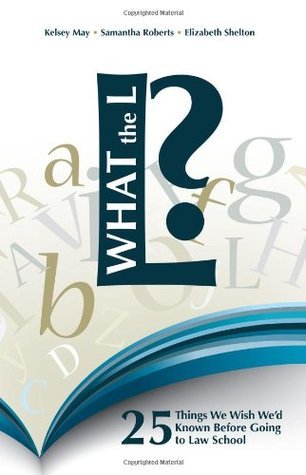
book cover of What the L
book cover of Law School Confidential
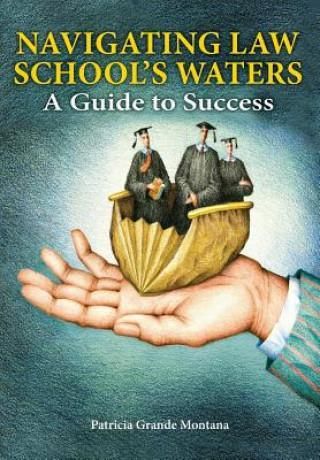
book cover of Navigating Law School's Waters
cover of Hard-Nosed Advice from a Cranky Law Professor
cover of How to Be Sort of Happy in Law School
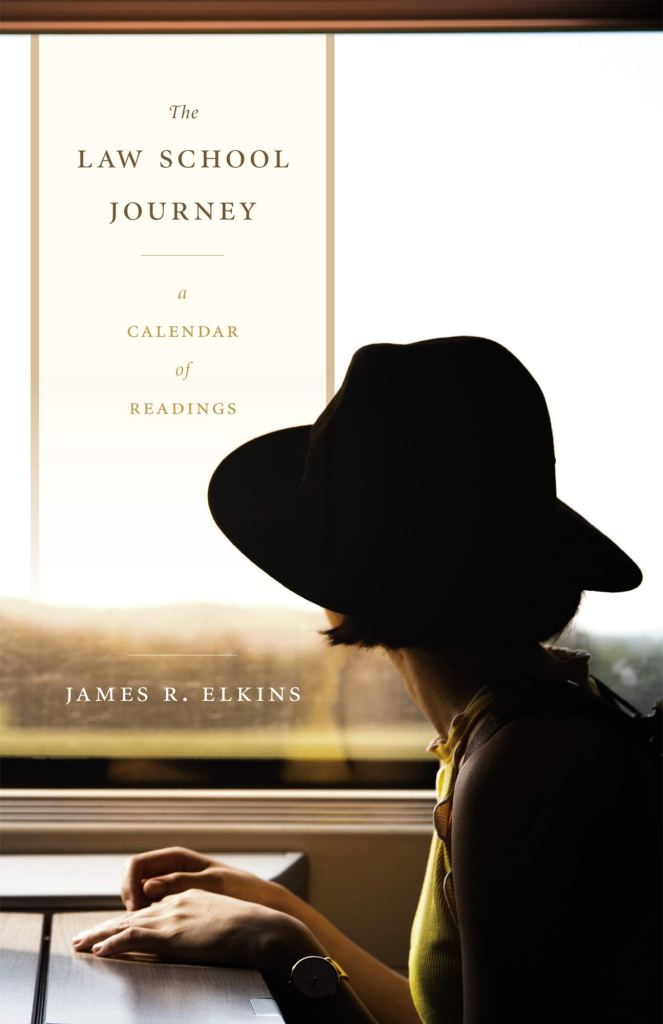
Cover of The Law School Journey

Posted in Reading List

Featured Reading: Hope in the Dark
Our featured book for May, 2024, is Hope in the Dark by Rebecca Solnit.

Hope in the Dark was written to counter the despair of radicals at a moment when they were focused on their losses and had turned their back to the victories behind them–and the unimaginable changes soon to come. In it, she makes a radical case for hope as a commitment to act in a world whose future remains uncertain and unknowable. Drawing on her decades of activism and a wide reading of environmental, cultural, and political history, Solnit argued that radicals have a long, neglected history of transformative victories, that the positive consequences of our acts are not always immediately seen, directly knowable, or even measurable, and that pessimism and despair rest on an unwarranted confidence about what is going to happen next. (from the publisher)

Although the book was originally published in 2004 and some of her specific historical examples are now dated, Solnit’s powerful arguments still resonate twenty years later.

Northwestern’s library has the 2005 edition. You can find the 2016 edition at Chicago Public Library.

Posted in Uncategorized

Enter your email address to follow this blog and receive notifications of new posts by email.

Join 388 other subscribers